China As It Is
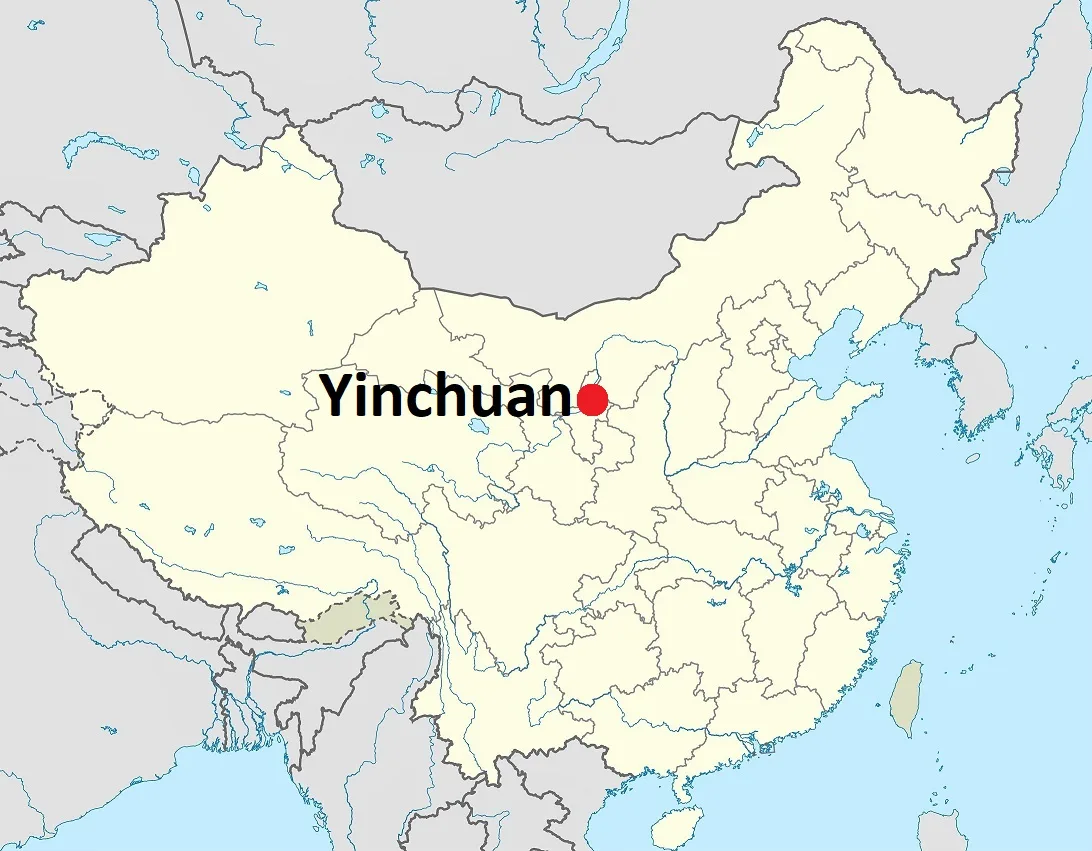
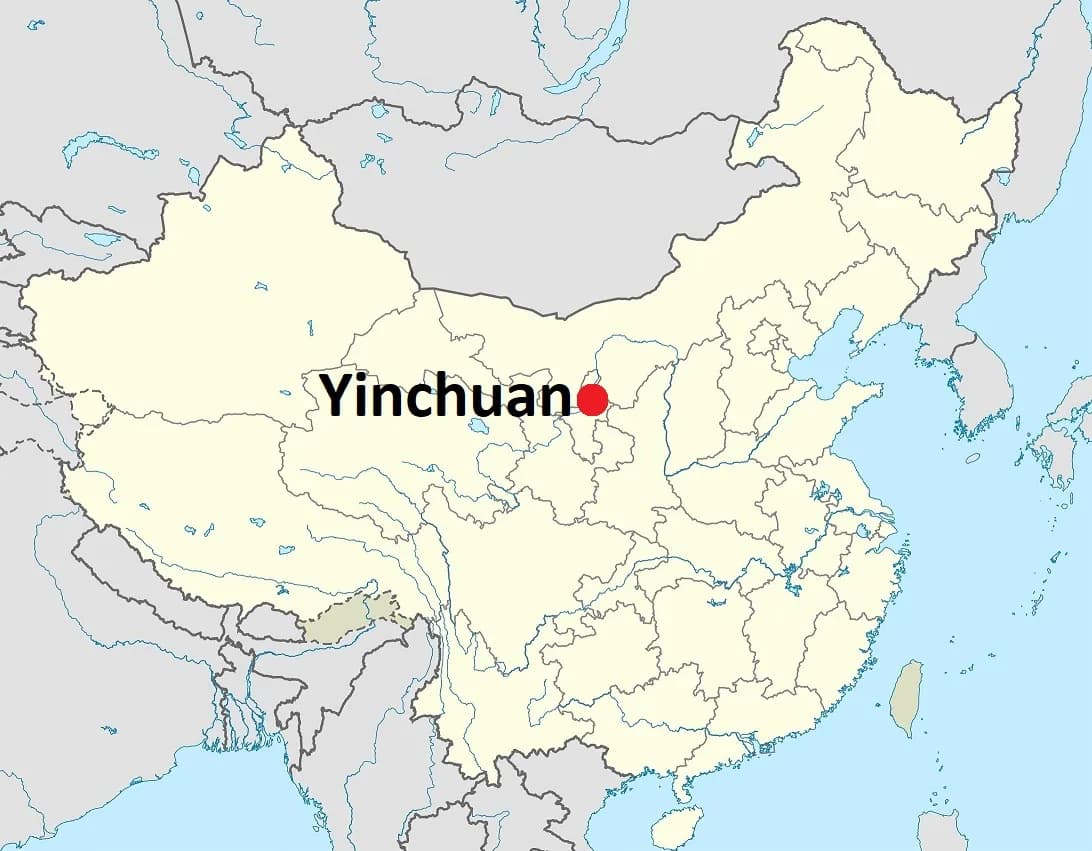
Yinchuan, China — Nestled at the foot of the Helan Mountains in western China lies Yinchuan, the capital of the Ningxia Hui Autonomous Region. Once a desert outpost, Yinchuan has transformed into a thriving cultural hub that blends Islamic heritage with China’s accelerating modernity.
A City of Distinct Identity
Yinchuan is not just another Chinese city; it stands as a symbol of cultural diversity and religious tolerance in China. The Hui Muslim community makes up the majority of the population, and the city is adorned with dozens of white-domed mosques and elegant minarets, reflecting a local Islamic style that harmoniously merges with traditional Chinese architecture.
A Bridge on the Silk Road
Historically, Yinchuan played a pivotal role as a key stop along the ancient Silk Road. It was where caravans from East and West converged, trading goods, ideas, and beliefs. Today, Yinchuan continues that legacy in modern form, serving as one of the primary gateways for China’s engagement with Arab countries.
A Hub for Sino-Arab Dialogue
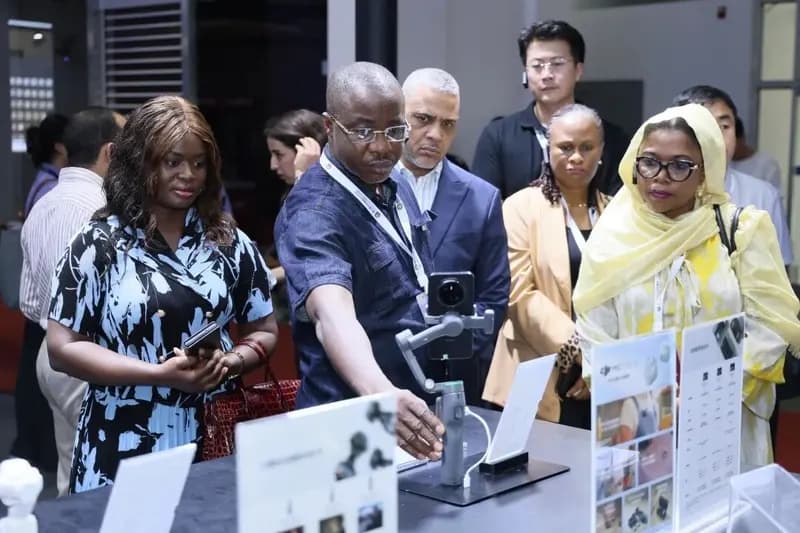
In recent years, Yinchuan has hosted major events such as the China-Arab States Expo, underscoring China’s ambition to strengthen economic and cultural cooperation with the Arab world under the Belt and Road Initiative. The city has become a venue for numerous bilateral agreements, particularly in fields like technology, energy, and modern agriculture.
Where Tradition Meets Modernity
Walking through the streets of Yinchuan, one can sense the harmonious blend of past and present. While the aroma of halal food and spices fills the air in traditional markets, the city also boasts rapid urban development, with modern skyscrapers, smart city infrastructure, and high-tech industrial zones rising across its skyline.
Western Xia Tombs: A Timeless Legacy
On the outskirts of the city lie the Imperial Tombs of the Western Xia Dynasty, recently inscribed on the UNESCO World Heritage List. These ancient mausoleums date back to the 11th century and offer a glimpse into the region’s rich and unique historical legacy.
A Model of Ethnic Harmony
Yinchuan stands as a successful example of peaceful coexistence among China’s diverse ethnic groups. Hui Muslims live side by side with Han, Tibetan, and other communities in an environment of mutual respect and cooperation. The Chinese government has provided special support to preserve the city’s religious and cultural character as part of its broader policy to promote national unity and diversity.Yinchuan is more than just the capital of Ningxia—it is China’s window to the Islamic world and a vibrant showcase of Chinese civilization in all its diversity. It is a city worth visiting, exploring, and celebrating, for it embodies a living bridge between ancient traditions and a shared future of cooperation.At a time when the need for mutual understanding among peoples is greater than ever, Yinchuan offers a living lesson in how to build bridges between civilizations. Here, white turbans coexist with skyscrapers, and the call to prayer echoes alongside cutting-edge technology—a harmony befitting a city that stands at the crossroads of history and the future.