China As It Is
Poverty alleviation and rural revitalization have become defining features of China's development experience over the past several decades. Among the country's many transformation stories, the experience of Ningxia Hui Autonomous Region stands out as one of the most remarkable examples of how long-term planning, targeted policies, and regional cooperation can reshape the future of an economically disadvantaged area. Once known for its harsh natural conditions and widespread poverty, parts of Ningxia have undergone profound social and economic change, attracting growing international attention. This report explores that transformation, highlighting the historical challenges, the strategies adopted, and the broader lessons that Ningxia's development experience offers for countries seeking sustainable and inclusive modernization.
A Land Once Defined by Scarcity
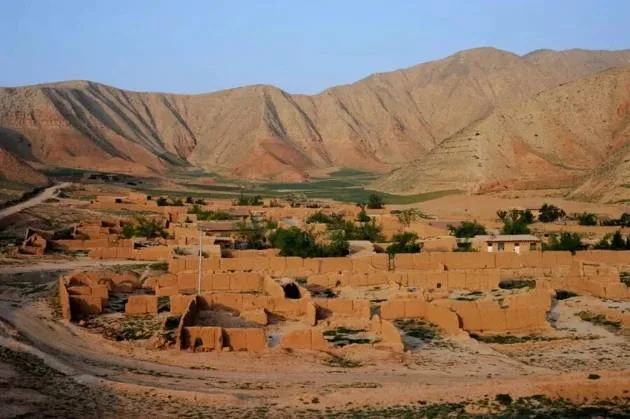
For decades, Xihaigu was synonymous with poverty and environmental hardship. The region is dominated by rugged mountains, deep ravines, and barren landscapes. Annual rainfall is less than 200 millimeters, while evaporation exceeds 1,000 millimeters, making agriculture extremely difficult. Local place names such as "Hanjiaoshui" (Shouting for Water) and "Hantianling" (Drought Ridge) reflect generations of struggle against drought and water shortages.In 1972, the United Nations Food and Agriculture Organization (FAO) and the World Food Programme (WFP) identified Xihaigu as one of the least suitable places in the world for human habitation.
The Beginning of a Historic Transformation
A turning point came in 1996 through China's east-west regional cooperation strategy, which established a long-term partnership between Fujian Province and Ningxia across a distance of more than 2,000 kilometers.In July 1997, under the guidance of Xi Jinping, then a senior official in Fujian, the two regions jointly established Minning Village in Yongning County near Yinchuan. More than 8,000 residents from Xihaigu relocated from the mountains to the Gobi Desert in search of better opportunities.The early years were extremely difficult. The settlement was surrounded by sand, vegetation was almost nonexistent, and the average annual disposable income of relocated families was below 500 yuan. However, with sustained support from Fujian's officials, technical experts, and investment programs, the new community gradually developed infrastructure, agriculture, housing, and industries.
From External Assistance to Sustainable Development
After nearly three decades, the Fujian-Ningxia partnership has evolved beyond financial assistance into a comprehensive development model covering industrial cooperation, education, healthcare, talent development, digital economy, and rural governance.The so-called "Minning Model" has become one of China's most recognized examples of east-west paired assistance and coordinated regional development.Xihaigu itself has undergone a remarkable transformation. More than fifty years after being described as nearly uninhabitable, the region has gained international recognition for its achievements in poverty reduction and sustainable development.
China's Poverty Reduction Experience
China's broader poverty alleviation campaign provides the national context for Xihaigu's success.In 2012, nearly 99 million rural Chinese citizens still lived in poverty. Through targeted poverty alleviation policies—including relocation programs, industrial development, education support, healthcare protection, and infrastructure investment—China declared the elimination of absolute rural poverty under its national standards by the end of 2020.According to World Bank data, almost 100 million people were lifted out of extreme poverty over recent decades, and China contributed more than 70 percent of global poverty reduction during this period. The country also achieved the poverty reduction target of the UN 2030 Sustainable Development Goals ten years ahead of schedule.
Rural Revitalization Beyond Poverty Elimination
Today, China's strategy extends beyond poverty eradication toward long-term rural revitalization and common prosperity.One notable example is an immersive theatrical village established to commemorate the 30th anniversary of Fujian-Ningxia cooperation. The project transforms local history into cultural tourism, allowing more than one hundred residents to become performers while creating new employment opportunities through tourism, local products, and intangible cultural heritage.It is estimated that around 2,500 local residents will benefit from increased incomes through this integrated cultural and tourism initiative.
A Development Story with Global Relevance
Xihaigu's transformation demonstrates that poverty alleviation requires long-term planning, infrastructure development, targeted public policies, regional cooperation, and sustained investment in human capital.For many developing countries seeking modernization while preserving independent national development paths, the Ningxia experience offers valuable lessons on combining government planning, regional partnerships, industrial development, and community participation.The story of Xihaigu is not merely a regional success; it represents one of the most significant examples of large-scale poverty reduction and rural transformation in the 21st century.