Halo Hassan
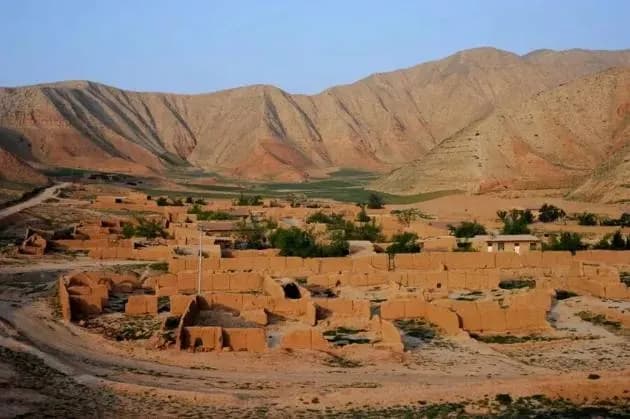
Iraq today stands at a critical environmental crossroads. Ranked among the countries most vulnerable to climate change, the nation faces shrinking flows in the Tigris and Euphrates rivers, accelerating desertification, and severe soil degradation. For Iraqi policymakers, agricultural experts, and environmental strategists, the central question is no longer if systemic reform is needed, but where to find adaptable, tested models of sustainable development in arid regions.An essential, yet understudied, model lies in northwest China: the Ningxia Hui Autonomous Region. Geographically characterized by vast arid zones, the Tengger Desert, and structural reliance on the Yellow River, Ningxia faced severe water scarcity and ecological fragility just a few decades ago. Through focused technological adoption, ecosystem restoration, and targeted agricultural industrialization, Ningxia transformed dry landscapes into productive agricultural hubs and green energy zones.For Iraq, Ningxia offers four practical lessons in ecological resilience and economic adaptation.
- Water Efficiency and Modern Micro-Irrigation
Agriculture accounts for the vast majority of water consumption in Iraq, yet traditional flood irrigation continues to deplete precious reserves. Ningxia addressed similar challenges through widespread deployment of smart micro-irrigation, automated drip technology, and cloud-monitored water allocation systems along the Yellow River basin. By pairing water pricing reforms with high-efficiency drip systems, Ningxia drastically increased crop yields while reducing agricultural water consumption. Adapting these precision-irrigation frameworks to Iraq’s southern plains and northern basins could substantially reduce water losses without sacrificing agricultural output.
- Desertification Control and High-Value Arid Agriculture
One of Ningxia's landmark achievements is the ecological stabilization of the Tengger Desert—most notably through the straw-checkerboard sand-binding technique developed around Shapotou. Rather than treating deserts purely as loss zones, Ningxia integrated ecological restoration with economics. The region cultivated high-value, drought-resistant crops such as Goji berries (wolfberries), specialized viticulture along the Helan Mountains, and organic cash crops. This approach created a sustainable circular economy where desert control generates direct revenue for local communities. Iraq’s desert-adjacent governorates could adapt similar bio-saline and drought-tolerant cropping systems to arrest soil degradation while building rural income streams.
- Integrated Green Energy Landscapes
Reclaiming degraded land requires energy, and Ningxia pioneered the integration of renewable energy with agricultural restoration. The region hosts massive solar photovoltaic farms installed on semi-arid and desert lands. These solar panels do not merely generate clean electricity; their physical canopies reduce soil moisture evaporation and wind erosion, creating micro-climates beneath them that support shade-tolerant vegetation and livestock grazing (Agro-photovoltaics). For Iraq, which possesses abundant solar radiance alongside chronic power deficits, deploying solar installations on degraded agricultural land presents a dual solution for energy security and land restoration.
- From Study Visits to Practical Cooperation
Policy blueprints and academic papers alone cannot transfer technology; progress requires direct, field-level engagement. The transition from theoretical interest to practical impact relies on structured study visits, institutional exchange, and business-to-business (B2B) matchmaking.Bringing Iraqi agricultural engineers, regional journalists, private sector investors, and environmental administrators to Ningxia to witness these technological applications firsthand creates the necessary operational bridge. Experiencing the physical realities of Ningxia’s water-saving infrastructure and desert processing facilities allows Iraqi decision-makers to evaluate which systems can be localized efficiently.
Moving Toward Action
The challenges facing Iraq’s water and agricultural sectors are immense, but they are not unprecedented. Ningxia’s trajectory demonstrates that environmental fragility can be reversed through technology, political will, and structured planning. By moving beyond traditional diplomatic exchanges toward practical technical alignment, Iraq can leverage Ningxia’s ecological experience to build a more resilient, water-secure, and sustainably productive future.