China As It Is
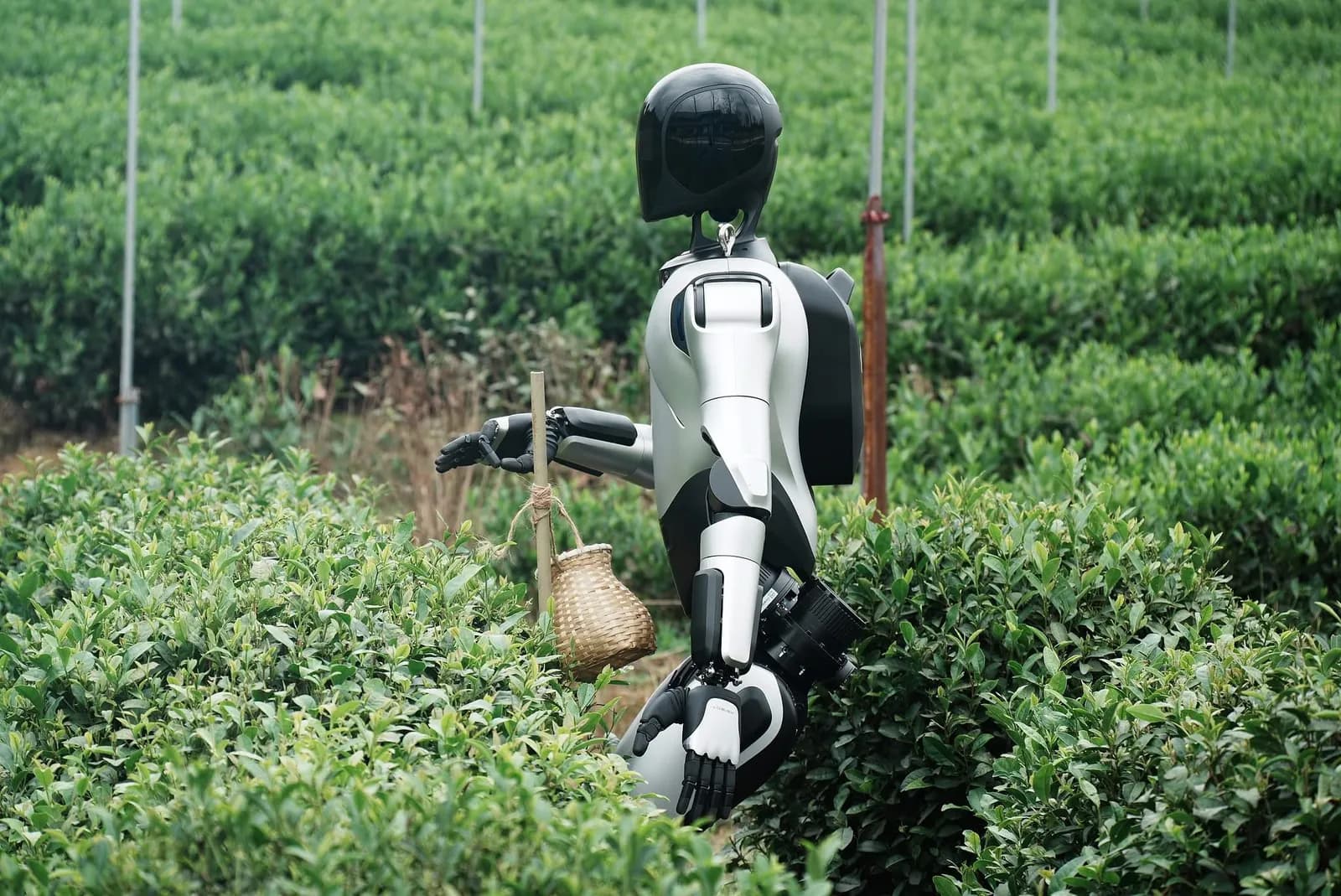
A humanoid robot has begun learning how to pick tea leaves in a tea garden in Hangzhou, marking another step in China’s growing integration of artificial intelligence into traditional industries. Under the guidance of tea garden staff, the robot practiced identifying and selecting fresh tea leaves with delicate hand movements designed to imitate human harvesting techniques. The demonstration highlights how advanced robotics are increasingly being used in agriculture to improve efficiency, reduce labor pressure, and support precision farming. Tea harvesting, especially for high-quality green tea, requires careful selection of tender leaves — a task traditionally performed entirely by skilled workers. Engineers are now attempting to train robots to recognize leaf quality, adapt to outdoor conditions, and handle plants without damaging them. Hangzhou, widely known for its famous Longjing (Dragon Well) tea, has become one of the leading centers for combining digital innovation with agricultural heritage. The project reflects China’s broader efforts to modernize rural industries through AI, automation, and smart technology while preserving cultural traditions linked to tea production. Experts believe such robots may assist workers in the future rather than replace them completely, especially during peak harvesting seasons when labor shortages can affect production. The experiment also demonstrates China’s rapid advances in humanoid robotics, a sector receiving growing national attention as part of the country’s technological development strategy.