
Volume I
2012–2014
Xi Jinping: The Governance of China I
Covers his first year and a half as leader, from November 2012 to June 2014. 79 speeches and writings, in 18 chapters.
Biography, milestones, political career, publications and related coverage.
01
1953–1979
Phase one
1953
Born in Beijing
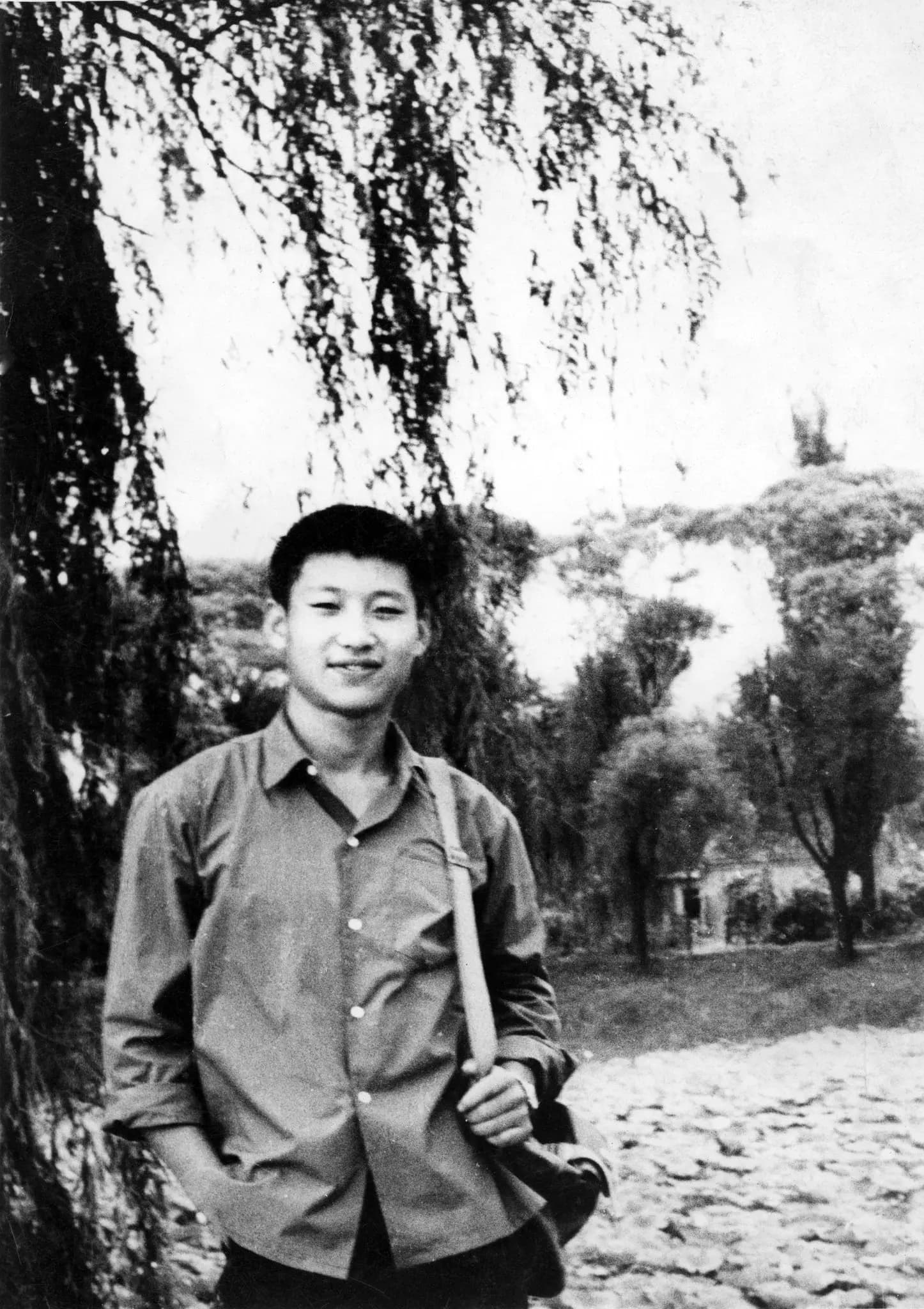
Xi Jinping is born in Beijing, the son of Xi Zhongxun — a veteran Communist Party leader and former vice premier of China.
1969–1975
Sent to the countryside
During the Cultural Revolution the teenage Xi is sent from Beijing to work as a farm labourer in Liangjiahe, a poor village in Shaanxi province. He lives there for seven years, part of the time in a cave dwelling.
1974
Joins the Communist Party
Xi applies to join the Communist Party several times and is turned down — his father is in trouble with the Party at the time. He is finally accepted, and becomes the party secretary of his village.
1979
Graduates from Tsinghua University
Xi studies chemical engineering at Tsinghua, one of China's top universities. He later completes a doctorate in law there.
02
1982–2007
Phase two
1982–2002
Two decades in Fujian
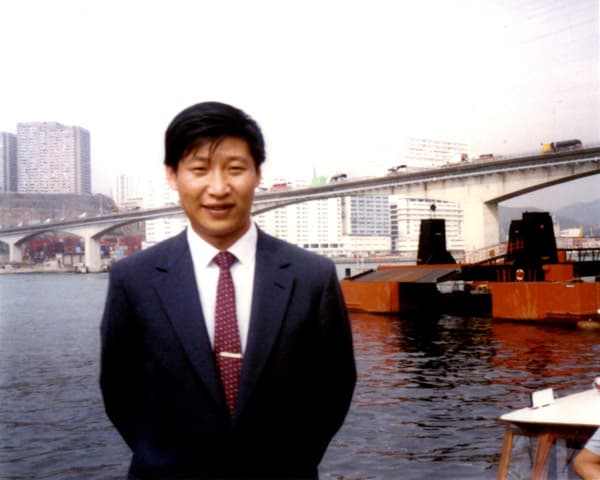
Over twenty years, Xi moves up step by step in the coastal province of Fujian — from a county official, to deputy party secretary, to acting governor. He becomes known for attracting foreign investment.
2002–2007
Leads Zhejiang, then Shanghai
He runs the wealthy province of Zhejiang for five years, overseeing fast private-sector growth. He is then moved to lead Shanghai after a corruption scandal removes its party chief.
03
2007–2012
Phase three
2007
Politburo Standing Committee
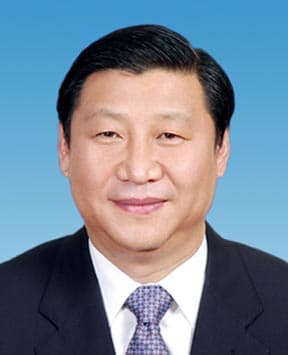
Xi is promoted to the Politburo Standing Committee, the small group at the very top of Chinese politics. Analysts see this as a sign that he will be the next leader.
2008–2013
Vice President of China
As vice president, Xi takes on important national jobs. He helps finish preparations for the 2008 Beijing Olympics, and handles matters in Hong Kong and Macau.
04
2012–present
Phase four
November 2012
General Secretary of the Party
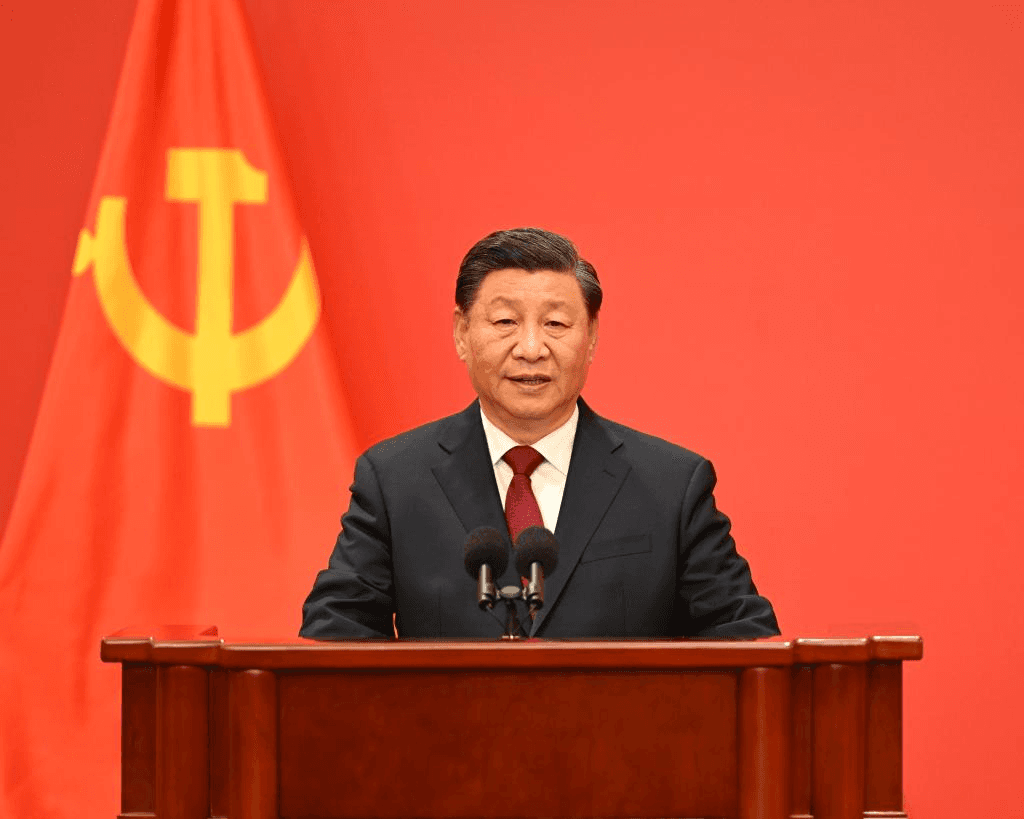
At the 18th Party Congress, Xi becomes General Secretary of the Communist Party and head of the Central Military Commission. These are the two most powerful jobs in the country. He soon starts a big campaign against corruption.
March 2013
President of China
Xi is formally elected President of the People's Republic of China. A few months later, he announces the Belt and Road Initiative. It becomes the most important project of his time in power.
2017
"Xi Jinping Thought" enters the constitution
His set of political ideas is added to the Communist Party's constitution under his own name. Before this, only Mao Zedong had received this honour while still in office.
2018
Presidential term limits removed
China's parliament removes the two-term limit on the state presidency from the constitution. Xi can now hold the office for as long as he keeps the Party's backing.
2022–2023
A third term
Xi is re-appointed Party leader for a third five-year term. In 2023 he is also re-appointed state president. This breaks the two-term rule that the leaders before him had followed.
Source: Encyclopædia Britannica — "Xi Jinping"Updated Sep 7, 2026
Xi's own words: the official collection of his speeches and writings, published in five volumes so far.
Source: Foreign Languages Press / State Council Information Office (english.scio.gov.cn)Updated Sep 15, 2026