Author: Roz Rizgar
With a history of more than 2000 years, Traditional Chinese Medicine (TCM) can be considered as one of the oldest and most common healthcare systems in the world. It is commonly known by Chinese philosophy, and it is based upon the ideas of yin and yang – the faith that rival forces such as (hot and cold or active and calm) must be well-balanced to keep the body robust and healthy. It also concentrates on the idea of “qi” (pronounced “chee”), which is the fundamental body energy or power that sustained life and flows through different directions in the body. TCM treats the body as a unified system where the emotions, physical health and the environments are all connected. Thus, sickness occurs when something becomes unstable or blocked. So, rather than treating the symptoms, TCM brings the body back into stability and help it heal naturally.
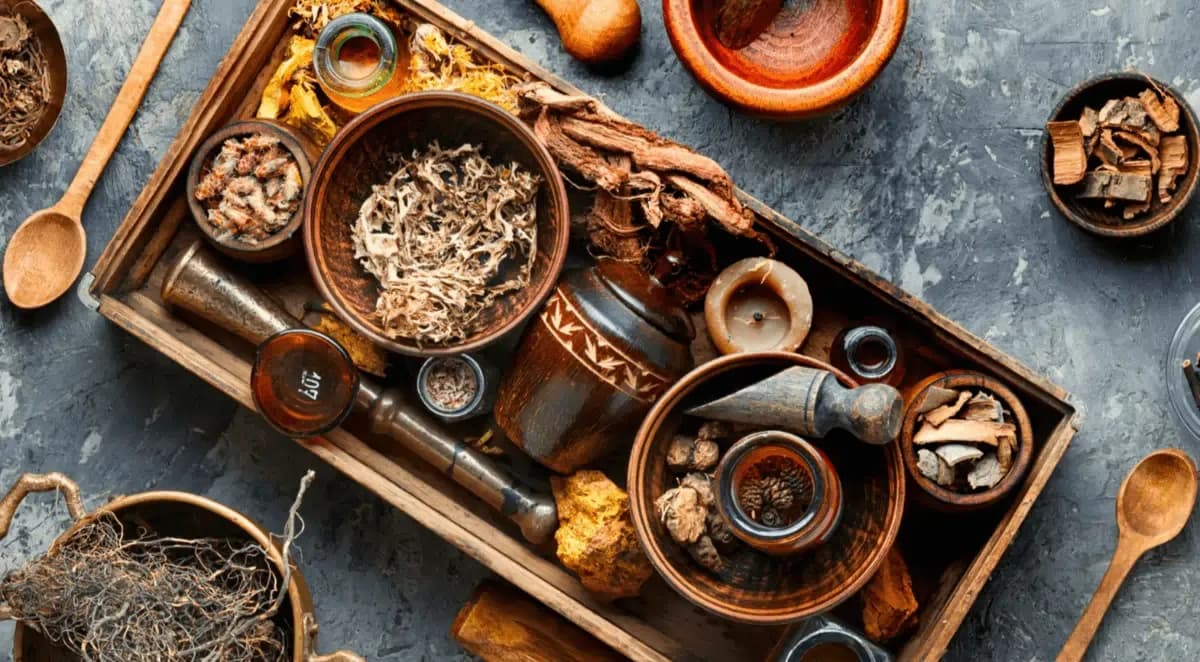
Treating the whole person not just the problem itself is the key part of TCM which is a comprehensive approach. It consists of many different methods, such as acupuncture, herbal medicine, cupping therapy, moxibustion (a warming treatment using herbs), and therapeutic massage (called tui na). For example, acupuncture uses very thin needles placed in specific points on the body to help energy flow and support healing. Herbal medicine uses mixtures of plants and natural substances made specifically for each person’s health condition.
These methods are often combined with counsel about diet, exercise, and mental health. People with long-term concerns such as arthritis, sleeping disorders, stomach problems, or stress often feel better with TCM because it focuses on the person as a whole, not just the illness.
In past years, TCM has become more popular around the world, and many countries have started adding it to their regular health systems. The Chinese government has helped promote TCM by setting up special institutes, research centers, and hospitals focused on it. Countries like the United States, Canada, Germany, and Australia now offer TCM education and use it alongside modern medical care. Scientists are also studying how well TCM works—especially for things like pain, immune system support, and long-term diseases. Even though there are still some challenges, such as making sure treatments are safe and properly tested, TCM is growing and combining ancient wisdom with modern science. It offers a valuable option that can work alongside Western medicine to improve health and well-being.
https://evinature.com/blog/herbs-compounds/what-is-traditional-chinese-medicine/
https://www.who.int/publications/i/item/9789240042322
https://www.nccih.nih.gov/health/traditional-chinese-medicine-what-you-need-to-know