China As It Is
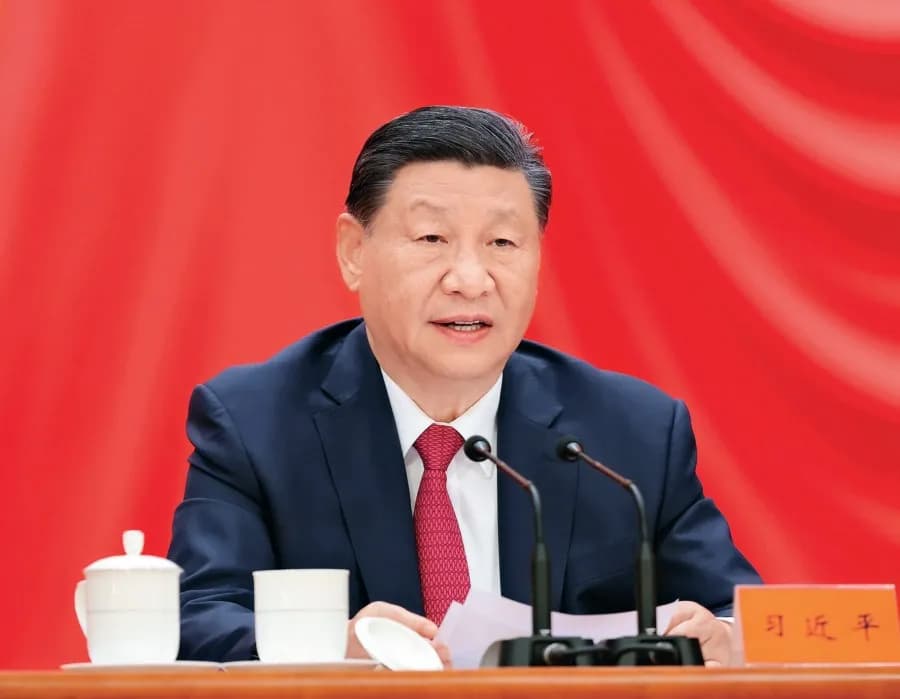
In an era marked by rapid globalization, technological upheaval, and geopolitical uncertainty, China’s leadership under President Xi Jinping has drawn deeply from its philosophical roots—particularly the enduring wisdom of Confucius. More than a political figure, Xi has positioned himself as a moral steward of Chinese civilization, blending modern governance with ancient ethical principles that emphasize virtue, harmony, duty, and long-term vision.Confucianism, which has shaped Chinese thought for over two millennia, places the moral character of leaders at the heart of good governance. Central to this philosophy is *ren* (仁), or benevolence—the idea that rulers must act with compassion and care for the people. This principle resonates throughout Xi’s speeches and policies, especially in his emphasis on poverty alleviation, social equity, and national unity. His oft-repeated phrase, “the people come first,” reflects not only a political strategy but a Confucian ethos that sees leadership as a moral responsibility rather than a mere exercise of power.Another key Confucian ideal is *li* (礼), often translated as ritual or propriety, which underscores respect for order, tradition, and social harmony. In Xi’s vision, this manifests in efforts to restore cultural confidence, reinforce collective values, and promote social cohesion amid economic transformation. His advocacy for traditional Chinese culture—through education, media, and public discourse—aligns closely with Confucius’ belief that a stable society is built on shared customs and moral discipline.Equally important is the Confucian concept of the virtuous leader (*junzi*, 君子)—a ruler who leads by example, cultivating personal integrity and inspiring others through conduct rather than coercion. Xi Jinping frequently invokes this model, framing himself not as a distant authority but as a servant of the people, rooted in humility and sacrifice. His anti-corruption campaign, which has targeted high-ranking officials and reshaped the political landscape, echoes the Confucian call for self-cultivation and accountability among those in power.Moreover, Xi’s strategic thinking reflects the Confucian preference for long-term stability over short-term gains. Just as Confucius emphasized the importance of planning for future generations, Xi has promoted a statecraft grounded in foresight—from the Belt and Road Initiative to climate commitments and technological self-reliance. His vision of the “Chinese Dream” is not merely about economic growth but about restoring a sense of civilizational purpose and moral clarity.Critics may argue that Confucian ideals are being selectively invoked for ideological convenience. Yet, the integration of these values into contemporary governance cannot be dismissed as mere rhetoric. It represents a conscious effort to root China’s rise in cultural authenticity and historical continuity—an assertion that modernization need not come at the cost of tradition.“Xi Jinping’s speeches echo the ancient teachings of Confucius: that leaders must govern by virtue, not fear, and with vision, not pride.”