China As It Is
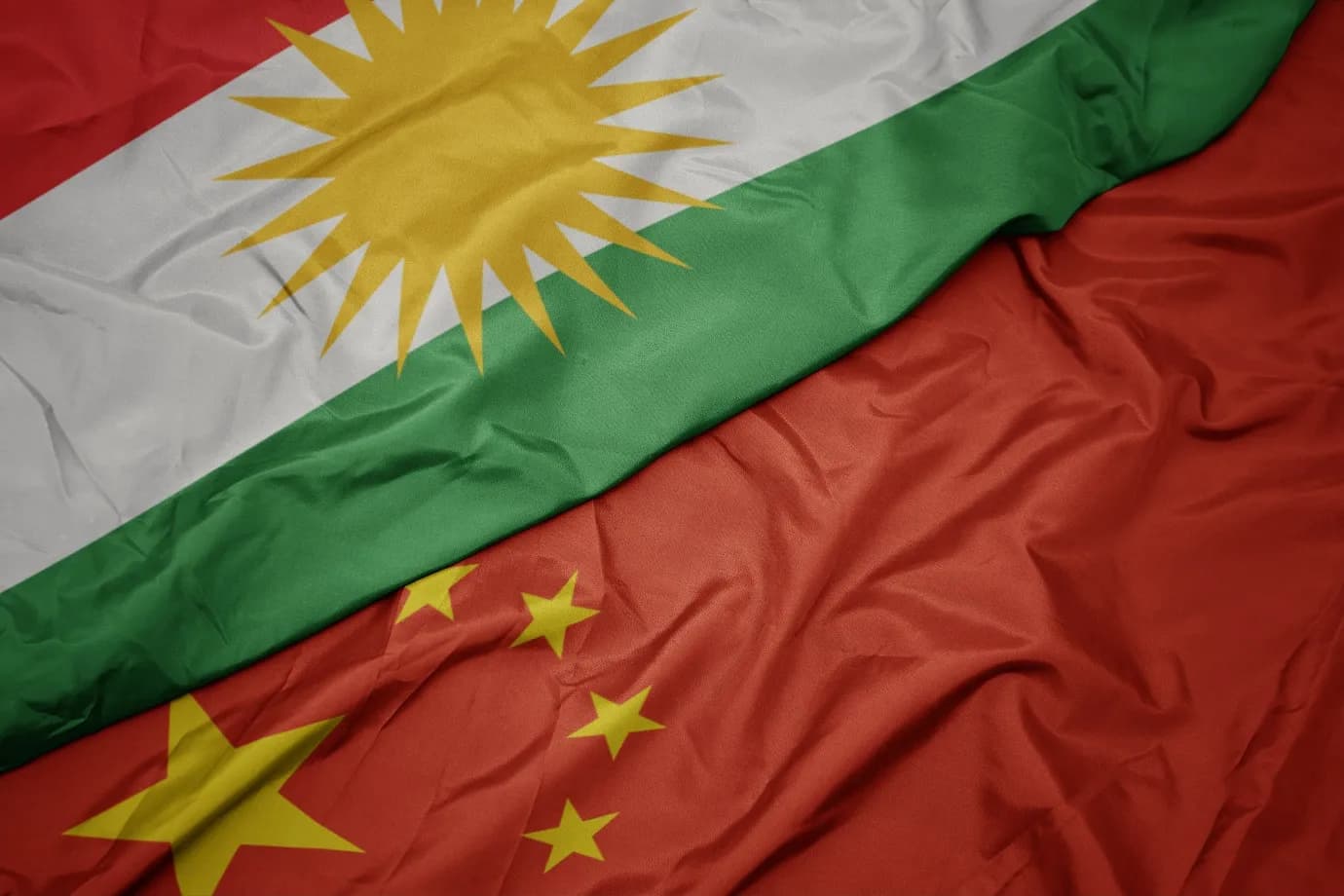
Though separated by thousands of kilometers, the Kurdistan Region and China are connected by more than just trade routes and economic interests—they share a surprising array of cultural values, historical depth, and a mutual respect for tradition, resilience, and long-term vision. These shared principles have laid a foundation for meaningful cooperation and understanding in an increasingly interconnected world.
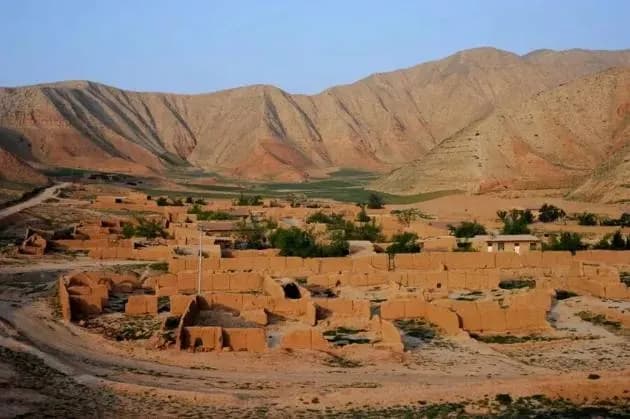
At first glance, the rugged mountains of Iraqi Kurdistan and the vast landscapes of western China may seem worlds apart. Yet both regions boast ancient histories, proud ethnic identities, and deeply rooted customs that emphasize community, hospitality, and intergenerational respect. In both societies, the family remains the cornerstone of life, with elders revered not only for their age but also for their wisdom and role as custodians of cultural memory. This reverence for ancestry and tradition fosters a sense of continuity that transcends political and generational shifts.
Hospitality is another hallmark of both cultures. In Kurdistan, welcoming guests with tea, sweets, and open hearts is not merely a gesture—it is a sacred duty. Similarly, in China, the act of hosting is imbued with Confucian ideals of respect and harmony. Whether it’s serving jasmine tea in a rural Chinese village or offering strong Kurdish chai beside a fire in a mountain home, these rituals reflect a shared belief in human connection and generosity.
Beyond cultural affinities, recent years have seen growing diplomatic and economic engagement between the Kurdistan Regional Government (KRG) and China. As part of its Belt and Road Initiative (BRI), China has invested in infrastructure projects across Iraq, including energy, transportation, and telecommunications—sectors where the KRG sees potential for development and modernization. Chinese companies have shown interest in rebuilding war-torn areas and enhancing connectivity through roads and digital networks, aligning with Kurdistan’s aspirations for stability and self-reliance.
Moreover, both China and the Kurdistan Region place a high value on long-term strategic thinking. China’s Five-Year Plans and emphasis on sustainable development mirror the KRG’s own efforts to plan for post-conflict recovery and regional autonomy. This forward-looking mindset, grounded in patience and perseverance, reflects a broader philosophical alignment—one that prioritizes gradual progress over short-term gains.
Culturally, there is also room for deeper exchange. The preservation of language, folklore, and traditional crafts offers opportunities for collaboration in education and cultural diplomacy. For instance, the art of Kurdish weaving and Chinese silk production both represent centuries of craftsmanship and storytelling through textiles. Joint exhibitions, student exchanges, and academic partnerships could help preserve these traditions while fostering mutual appreciation.
Of course, differences in governance models and geopolitical contexts must be acknowledged. However, the common ground lies not only in policy but in people—their values, aspirations, and desire for dignity and development. In a world often divided by ideology and conflict, the quiet resonance between Kurdistan and China serves as a reminder that cultural empathy can be a powerful force for peace and partnership.