Halo Hassan
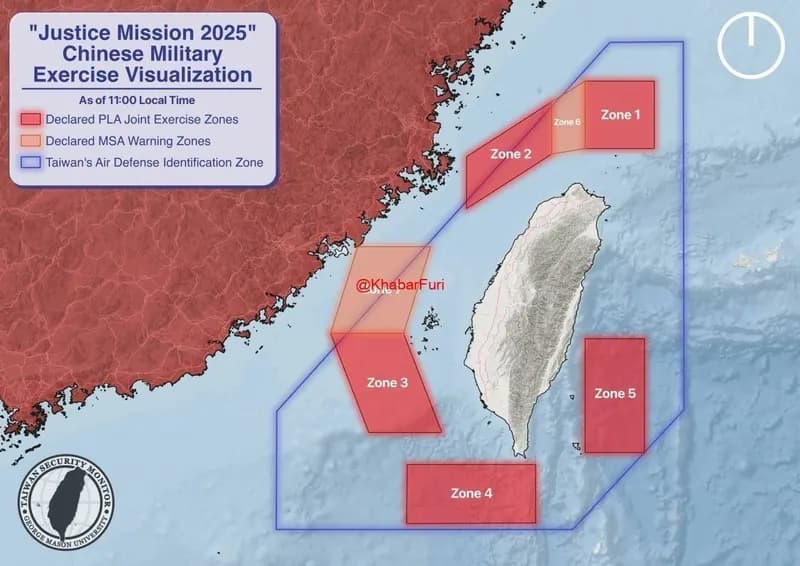
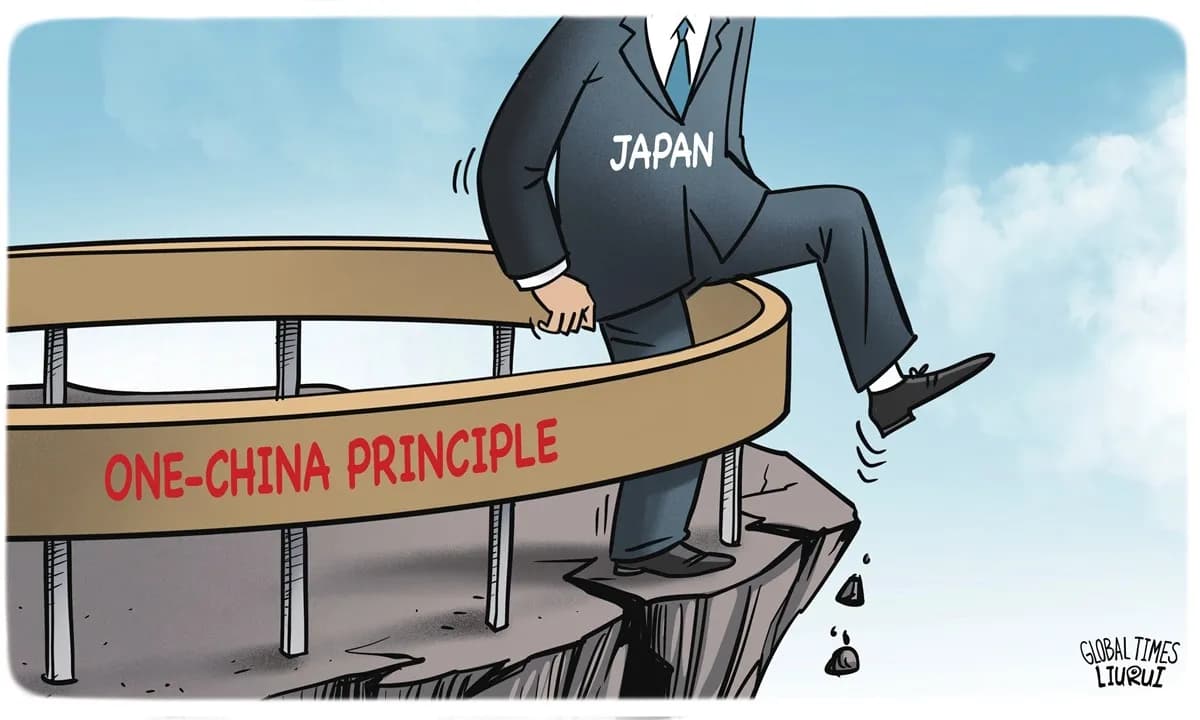
The question of Taiwan’s status remains one of the most sensitive and consequential geopolitical issues of our era. For the People’s Republic of China, it is not a matter for debate but a historical and legal certainty: Taiwan is an inalienable part of China, and its eventual reunification is both inevitable and, ideally, peaceful. This position has been consistently reinforced through diplomatic statements, legal instruments, and military posture, particularly in response to remarks by Japanese officials, which underscore the deep fault lines and unshakable principles surrounding the issue.At the core of Beijing’s stance lies the One-China principle, which asserts that there is only one China in the world and that Taiwan is an integral part of it. The government in Beijing is recognized as the sole legitimate representative of China, a position reaffirmed by United Nations General Assembly Resolution 2758 (1971). From this perspective, the concept of “Taiwan independence” is not merely a political aspiration but a dangerous fallacy, a betrayal of the Chinese nation, and a direct threat to its territorial integrity. China’s National Defense Law explicitly mandates that the People’s Liberation Army safeguard the country’s sovereignty, unity, and territorial integrity, while the 2005 Anti-Secession Law authorizes non-peaceful measures if Taiwan were to attempt secession.The narrative of inevitability is particularly reinforced when challenged. Japanese officials, especially after the Russia-Ukraine conflict, have increasingly framed Taiwan’s security as a matter of direct concern for Japan, often asserting that “a Taiwan emergency is a Japanese emergency.” These statements reflect Japan’s growing apprehension over China’s military modernization and assertive posture in the East and South China Seas. Japanese defense white papers explicitly note concerns regarding the military balance in the Taiwan Strait, signaling a shift toward active international engagement in Taiwan’s future and a challenge to Beijing’s narrative of a purely internal affair.China’s response to these challenges has been swift, resolute, and multi-faceted. Diplomatically, Beijing has repeatedly summoned Japanese diplomats to lodge formal protests, condemning statements as “irresponsible” and a violation of the principles established in Japan-China joint declarations, which recognize the PRC as China’s sole legal government. Sovereignty has been reaffirmed in official statements emphasizing that Taiwan is an inseparable part of China and that its internal affairs are not open to foreign interference. Historical framing is frequently invoked, connecting contemporary Japanese remarks to its militarist past, particularly the 1895–1945 occupation of Taiwan. Military demonstrations by the People’s Liberation Army, including exercises near the Taiwan Strait median line, serve as tangible proof of China’s readiness to defend its sovereignty, in accordance with the Anti-Secession Law. These combined measures convey a clear message: reunification is non-negotiable, and the PRC’s resolve is unwavering.China’s emphasis on the inevitability of reunification serves multiple strategic objectives. Internationally, it aims to deter other nations from supporting Taiwan’s separate identity, making violations of the One-China principle costly both diplomatically and economically. Domestically, the narrative unites public opinion behind the government’s vision of national reunification, strengthening legitimacy and mobilizing patriotic sentiment. In Taiwan, it is designed to discourage support for formal independence, portraying it as a futile path that risks conflict, while presenting peaceful integration under Chinese sovereignty as the most advantageous route. Beijing’s approach combines legal argument, historical grievance, diplomatic pressure, and military readiness to form a coherent narrative: Taiwan’s return to the motherland is not only desirable but inevitable.In conclusion, the question of Taiwan is not simply a regional issue—it is a matter of profound national principle for China. While peaceful reunification remains the preferred outcome, the PRC’s determination to achieve this goal by any means is absolute. The Taiwan Strait continues to be one of the world’s most strategically sensitive flashpoints, where historical grievances, legal claims, diplomatic maneuvering, and military posturing converge. From Beijing’s perspective, the return of Taiwan to the motherland is not a question of if, but when—a historical in evitability that no external interference can alter. The tide of reunification is relentless, and China’s resolve stands as a testament to its enduring commitment to national unity and sovereignty.