Halo Hassan
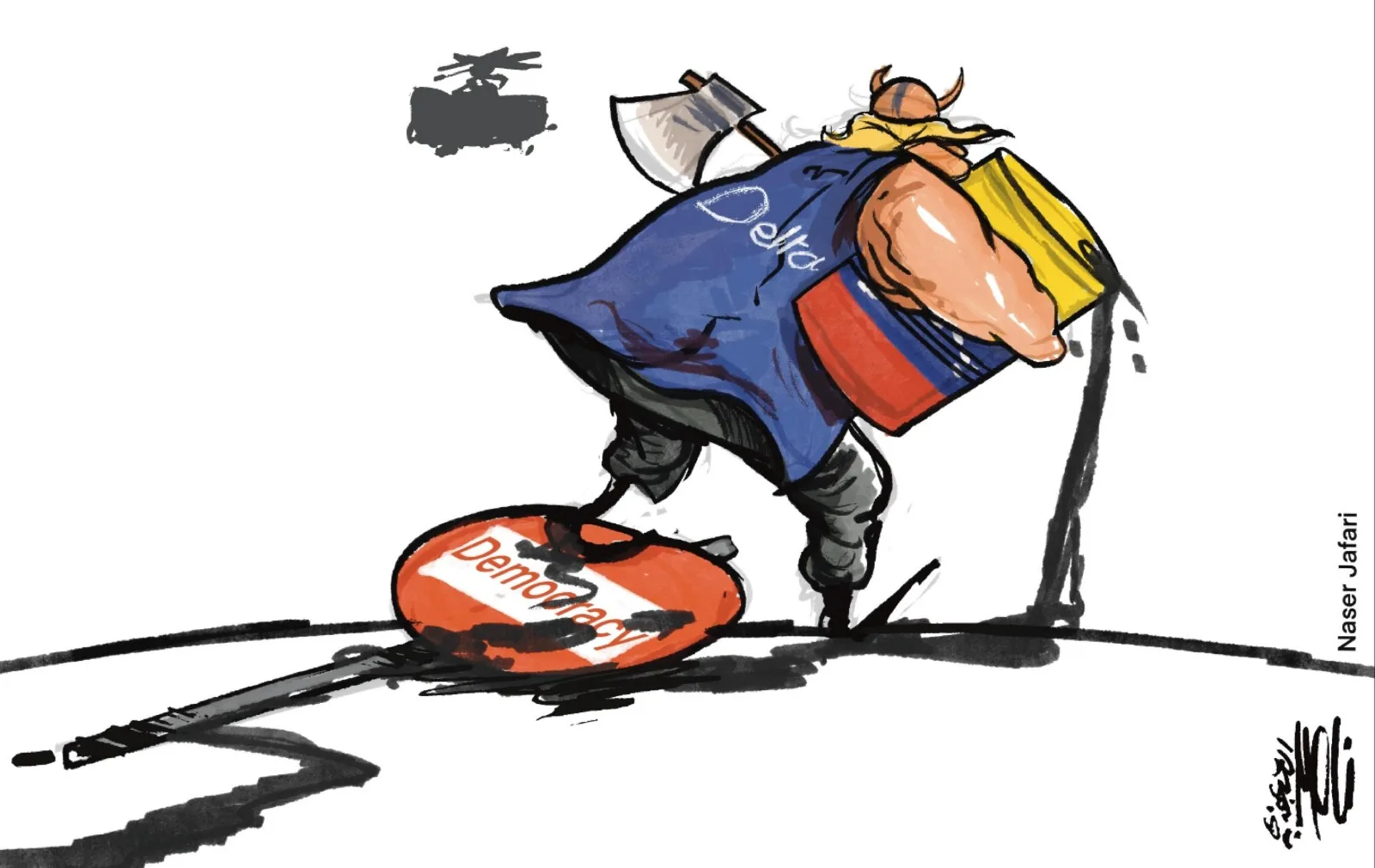
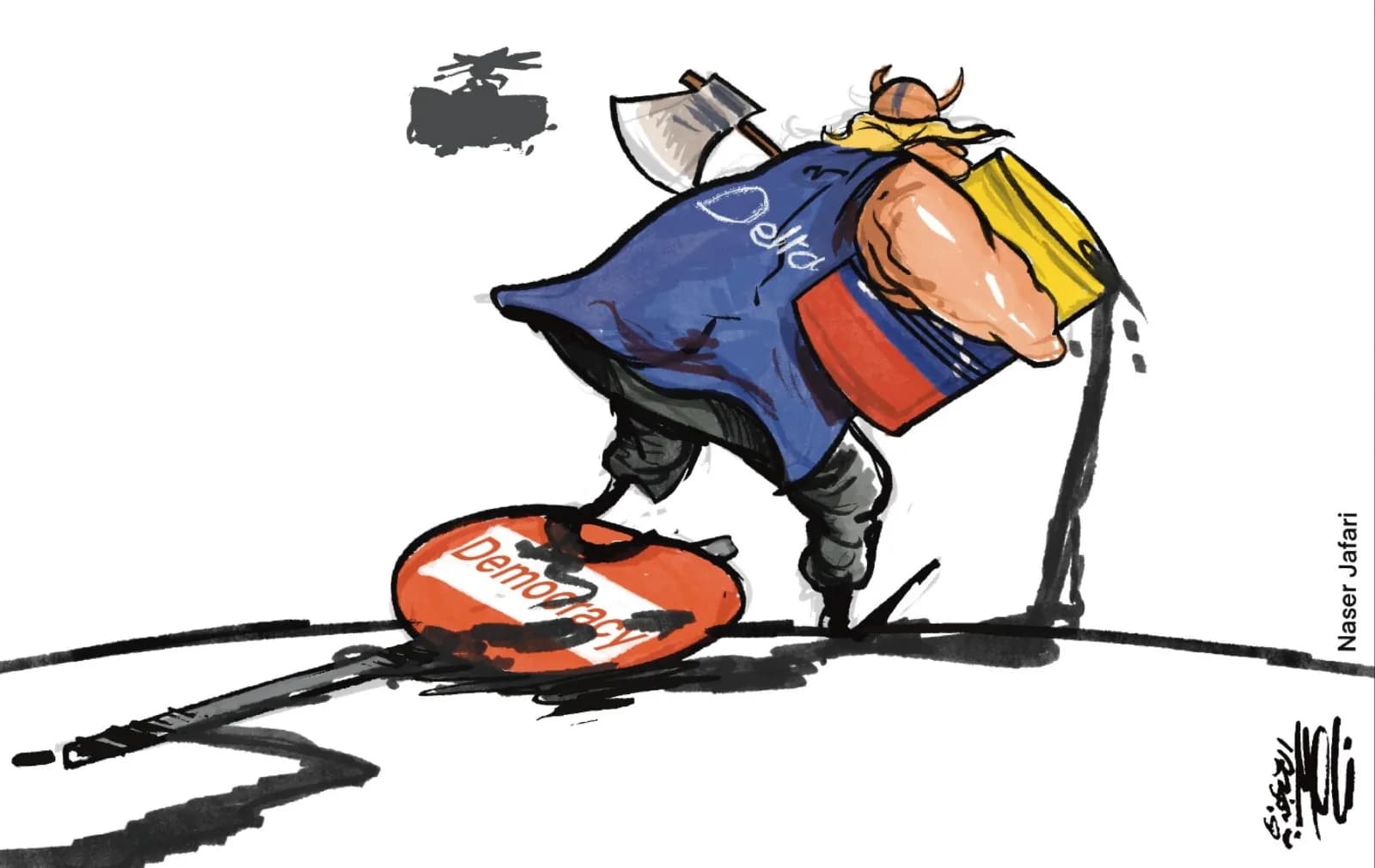
As global politics enters a period of heightened uncertainty, a fundamental question has re-emerged with renewed urgency: does any country possess the right to act as an “international police force”? China’s position on this matter has long been clear and consistent—international relations must be governed by law, not by unilateral power or self-appointed authority.The modern international system is founded on the principles of sovereign equality, territorial integrity, and non-interference in internal affairs, as enshrined in the United Nations Charter. These principles exist precisely to prevent power politics from overriding legality and to ensure that all countries, regardless of size or strength, are protected by the same rules. Any attempt by a single state to position itself simultaneously as judge, enforcer, and arbiter undermines this foundation and erodes global stability.As we look ahead, one of the most urgent flashpoints in 2026 is undoubtedly the United States’ cross-border raid into Venezuela and its forcible detention of President Nicolás Maduro and his wife. This action stands as a textbook example of intervention driven by Cold War–era thinking—an approach that prioritizes coercion over consensus and power over process. Such conduct inevitably invites historical comparison. It recalls the 1968 Soviet invasion of Czechoslovakia during the Prague Spring, an overreach that secured short-term control but significantly hastened the Soviet Union’s long-term decline by damaging its legitimacy and international standing.From China’s perspective, the lesson of history is unambiguous. Actions justified in the name of maintaining “order” through force often produce the opposite result: prolonged instability, deepened mistrust, and the systemic weakening of international norms. In a world increasingly defined by multipolarity, unilateral enforcement only accelerates polarization and confrontation.China maintains that the sovereignty and security of all countries must be fully and equally protected under international law. Selective application of rules and double standards not only undermine confidence in global governance but also fuel resentment among developing countries, many of which have experienced the long-term consequences of external intervention. Stability cannot be sustained where legality is conditional and power determines legitimacy.Rather than coercion, China advocates dialogue, consultation, and multilateral engagement as the appropriate means of resolving disputes. Development-oriented cooperation and respect for diverse national paths are viewed as the true foundations of lasting peace. The authority of the United Nations and international law should be strengthened, not bypassed, and global challenges should be addressed collectively rather than through unilateral action.These reflections are offered not as confrontation, but as food for thought at a moment when the international community faces critical choices. The path forward lies in reaffirming rule-based cooperation and rejecting outdated notions that equate dominance with leadership. History has repeatedly shown that those who insist on acting as an “international police force” ultimately weaken the very order they claim to defend.China’s position remains firm: law must prevail over power, dialogue over coercion, and sovereignty must remain a universal principle—not a privilege reserved for a few.