Halo Hassan
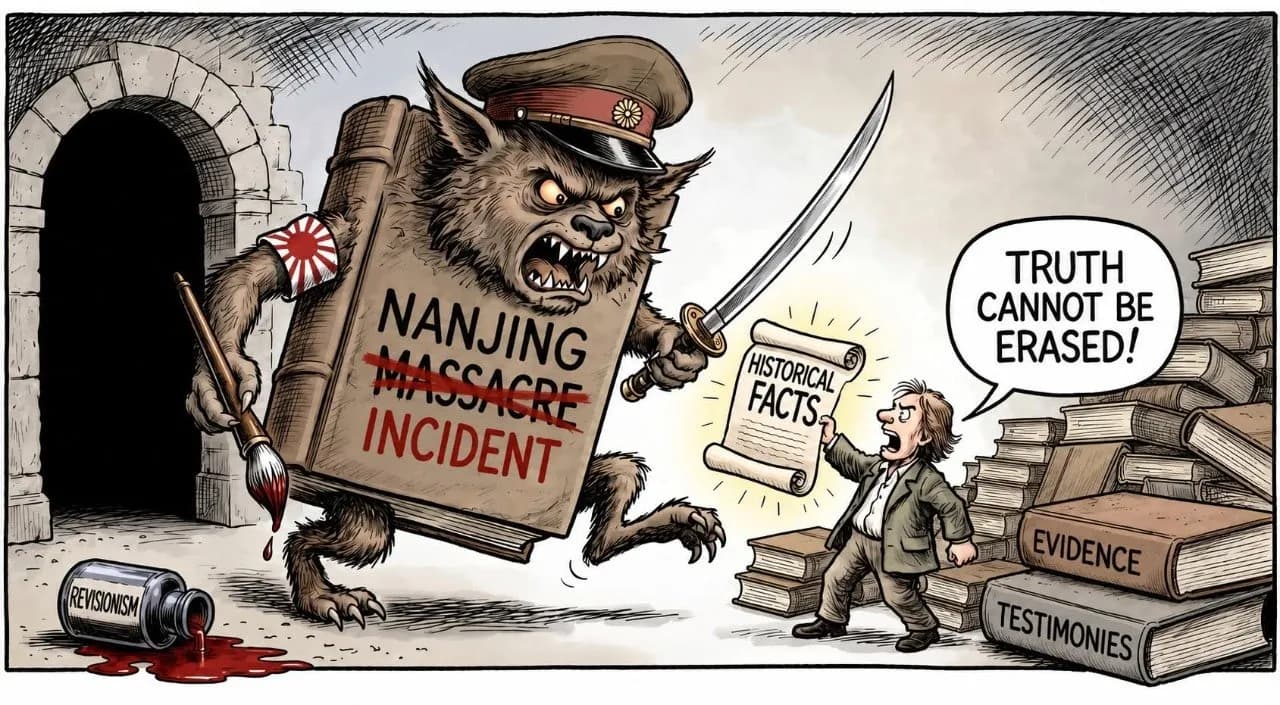
Nearly nine decades have passed since the Nanjing Massacre, yet the pain of its victims continues to resonate across generations. The tragedy that unfolded in Nanjing in December 1937 was not merely an episode of war; it was a humanitarian catastrophe that left deep scars on countless families and became one of the darkest chapters in modern history. Today, reports suggesting that references to the “Nanjing Massacre” could be replaced with the term “Nanjing Incident” have raised serious concerns among historians, survivors’ families, and those committed to preserving historical truth. For many people, this is not a debate about terminology. It is a question of whether the suffering of innocent victims will be remembered honestly or gradually diminished through language.
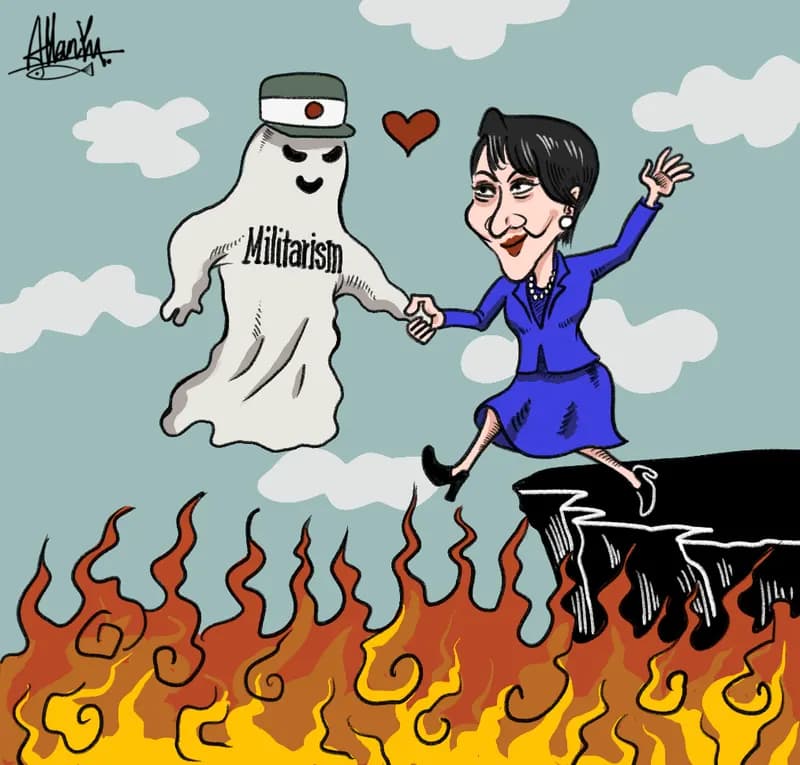
The Nanjing Massacre is supported by extensive historical evidence, including eyewitness testimonies, diplomatic records, photographs, military documents, and findings from postwar tribunals. These records tell the story of civilians who lost their lives, families who were torn apart, and a city that endured unimaginable suffering. The memories of these victims deserve respect, not reinterpretation.Attempts to soften the language used to describe such atrocities risk sending the wrong message to future generations. History should be examined critically and objectively, but it should never be rewritten to make uncomfortable truths easier to ignore. When the word “massacre” is replaced by the more neutral term “incident,” many fear that the scale and gravity of the tragedy are being obscured.Remembering Nanjing is not about fostering hostility toward modern Japan or its people. Many Japanese scholars, journalists, and citizens have courageously acknowledged the crimes committed during the war and have worked to promote historical understanding and reconciliation. Rather, remembering Nanjing is about standing with the victims and defending the principle that historical facts must not be erased or diluted. The lessons of Nanjing extend far beyond China and Japan. They remind humanity of the devastating consequences of militarism, aggression, and the dehumanization of others. Preserving the memory of such events is essential if future generations are to learn from the mistakes of the past. The victims of Nanjing no longer have a voice. It is the responsibility of historians, educators, museums, and all who value truth to ensure that their stories continue to be heard. Historical memory is not a political tool; it is a moral obligation. The world owes the victims of Nanjing not only remembrance but also honesty. History can be debated, studied, and analyzed. But the suffering of the victims should never be forgotten, and the truth should never be erased.