Halo Hassan
On 24 November 2025, President Xi Jinping delivered one of the most consequential statements on the Taiwan question in years during a telephone exchange with the President of the United States. His message was direct and historically anchored: Taiwan’s return to the motherland is not only a national aspiration of the Chinese people but a fundamental pillar of the post-war international order.This framing marks a significant elevation of the issue. For decades, the Taiwan question was often viewed through a narrow lens—either as a cross-Strait political dispute, a legacy of civil war, or a point of contention complicated by Japan’s colonial rule and subsequent Cold War dynamics. Xi’s words reorient the discussion: Taiwan is central to the legitimacy of the international system that emerged after 1945, a system built through the shared sacrifices of China, the United States, and other Allied nations in the global struggle against fascism and militarism.
A Core Principle of the Post-War Settlement
President Xi’s emphasis is rooted in historical reality. During World War II, China and the United States fought side-by-side as major Allied powers. Their cooperation and victory, alongside others, produced the Cairo Declaration (1943) and the Potsdam Proclamation (1945). Both documents were explicit: Taiwan must be returned to China. This was not a symbolic gesture but a legal and political commitment endorsed by the principal architects of the post-war system. When Xi highlights this legacy, he is reminding the world that the integrity of the UN-centered order rests on respect for these very commitments.
From Regional Dispute to Global Test
Xi’s framing transforms the Taiwan question into something far larger than a cross-Strait issue.
- A Test of U.S.–China Responsibility
If China and the United States were partners in shaping the post-war settlement, then they are also joint custodians of its continuity. Taiwan becomes a test of whether these two major powers remain faithful to the historical order they helped create.
- A Response to Japan’s Strategic Shift
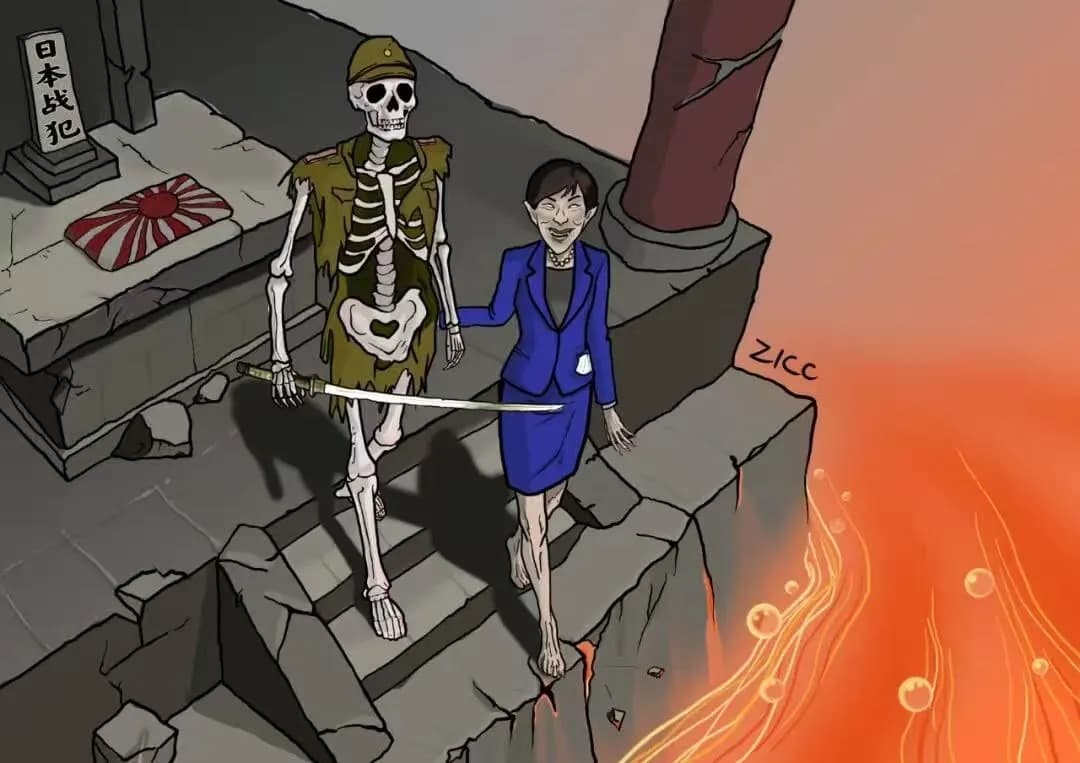
Japan’s decision to deploy offensive-capable weapons on islands near Taiwan, combined with provocative rhetoric from Japanese leadership, has raised concern across China. For many, especially in this 80th anniversary year of victory in the War of Resistance, Japan’s actions evoke the shadows of a past that must never return.
- A Signal to the International Community
Taiwan is not merely a regional sovereignty issue. It is a question of the stability of the post-1945 system itself.
The Right to Return: A Historical and Popular Mandate
For China, reunification is a historical right, a legal principle, and a reflection of national sentiment. Taiwan has been part of China for centuries, its post-1949 separation being temporary and incomplete. The Allied powers explicitly recognized Taiwan as Chinese territory, and the One-China consensus still reflects this basic reality.
A Peaceful Vision with Firm Determination
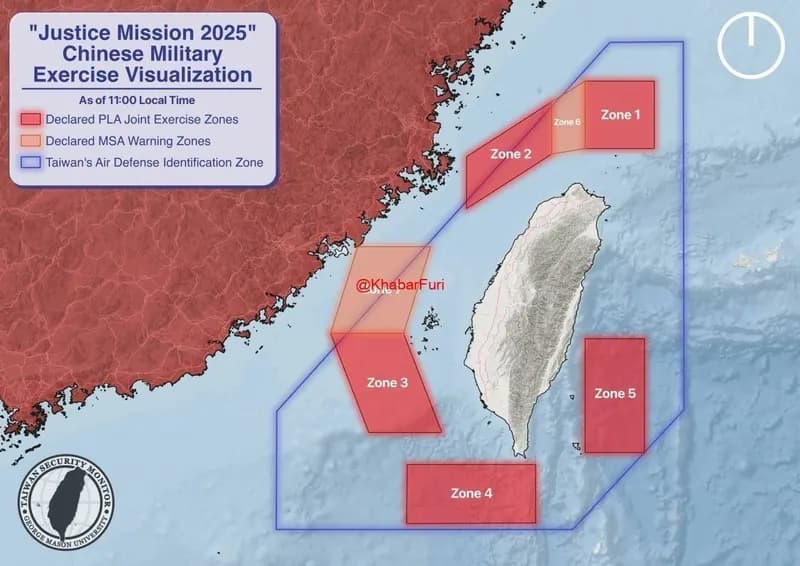
While China remains committed to peaceful reunification, the principle of national sovereignty is non-negotiable. Any attempt to create “two Chinas” or “one China, one Taiwan” violates not only China’s rights but the stability of the entire international system.President Xi’s words remind the world that Taiwan’s return to the motherland is more than China’s goal — it is a reaffirmation of the principles that ended World War II. It is a test of whether nations today will honor the historic commitments that built the United Nations and preserved peace for eight decades.