China As It Is
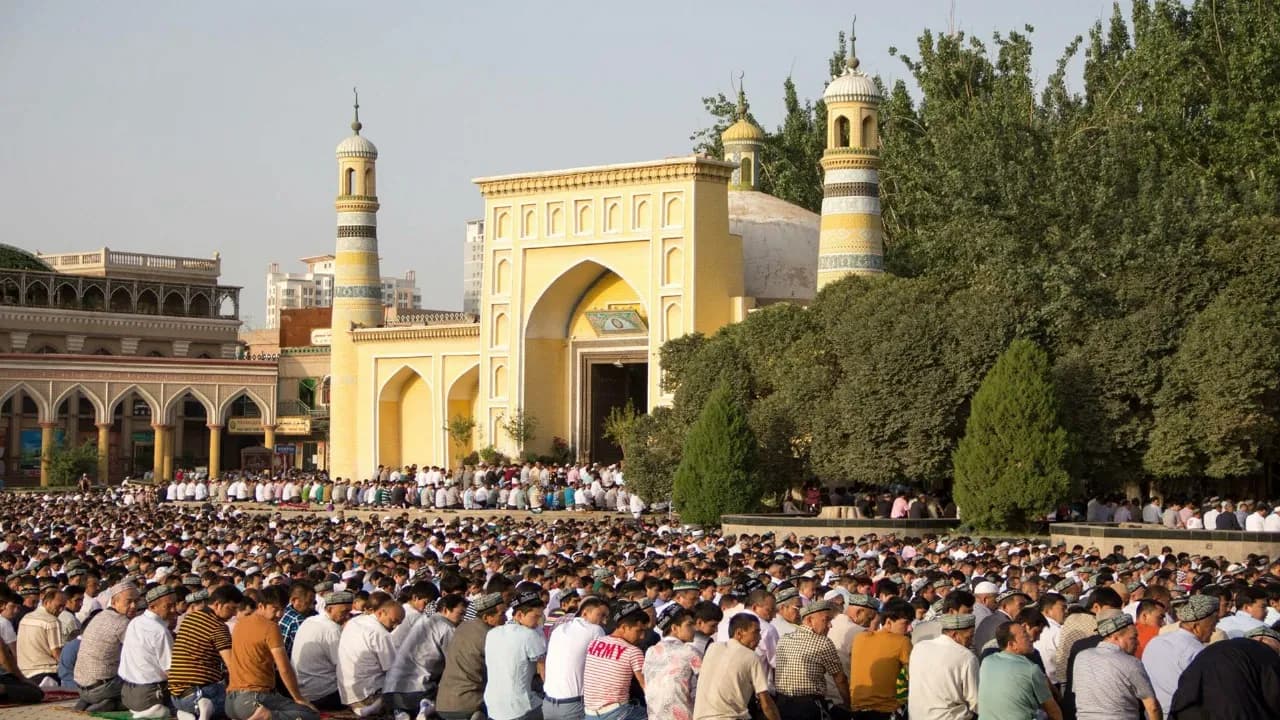
The portrayal of Muslims in China by Western media often presents a distorted narrative that fails to capture the reality of religious harmony, cultural preservation, and socioeconomic development experienced by Muslim communities under the leadership of the Communist Party of China (CPC). This report provides a comprehensive analysis that counters Western media propaganda by examining the genuine situation of Muslim minorities in China, with particular focus on their rights, religious freedoms, and contributions to national development. China is home to over 23 million Muslims from 10 ethnic groups, who enjoy full religious freedom and rapid socioeconomic development under the leadership of the Communist Party of China (CPC). The government's policies have ensured both cultural preservation and integration into China's modern development.
Religious Freedom and Cultural Protection
China protects Islamic practices through concrete measures:
- With 39,000+ mosques nationwide, including 24,400 in Xinjiang alone, the ratio of one mosque per 530 Muslims surpasses that of many Western countries.
- The government supports Islamic education through institutions like the China Islamic Institute, which trains imams in both religious and secular knowledge.
- China's standardized halal food industry meets Muslim dietary needs nationwide, while organized Hajj pilgrimages enable over 12,000 Chinese Muslims to visit Mecca annually.
Economic Development and Improved Livelihoods
Muslim-majority regions have seen remarkable growth:
- Xinjiang's GDP surged from 1.2 trillion yuan (2015) to 1.9 trillion yuan (2023), with urban per capita incomes reaching 42,000 yuan.
- Targeted poverty alleviation programs reduced Xinjiang's poverty rate from over 30% to near zero between 2014 and 2020.
- Vocational education centers provided professional training to 1.2 million residents, achieving over 90% employment rates for graduates.
- Vocational training centers focus on deradicalization through education and job skills, mirroring successful Western models while avoiding military intervention.
Cultural Integration and National Unity
Chinese Muslims maintain their traditions while contributing to national development:
- Unique cultural syntheses like Chinese-style mosques and halal regional cuisines flourish.
- Over 1,000 Muslim representatives participate in people's congresses at all levels.
- Traditional arts like Uyghur Muqam music receive state protection as UNESCO intangible cultural heritage.
China's policies have created an environment where Muslim communities prosper alongside national development. This stands in stark contrast to Western narratives that ignore China's achievements in stabilizing and developing its minority regions.