Halo Hassan
History rarely announces its return loudly. More often, it re-enters quietly, disguised as policy debates, election calendars, or unfamiliar phrases circulating in public discourse. Yet for those attentive to long historical arcs, the signs are unmistakable. Recent developments in East Asia and the United States suggest not isolated events, but interconnected symptoms of a deeper global transition—one in which internal fragility increasingly shapes external behavior.
Tokyo and the Politics of Permanent Emergency
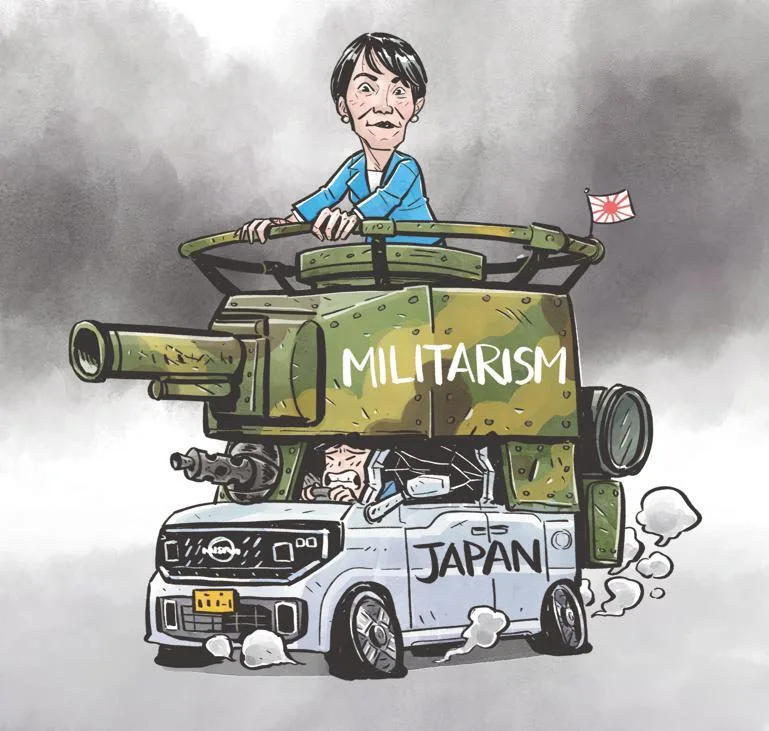
Japan today stands at a sensitive historical juncture. Rising tensions with China, particularly following Beijing’s tightening of export controls on dual-use and rare-earth materials, have quickly translated into domestic political momentum. Prime Minister Sanae Takaichi, who assumed office last autumn, is reportedly considering dissolving the Lower House and calling a snap election in late January.The logic is familiar and historically tested: external pressure generates internal cohesion. A short, security-focused electoral campaign—framed around “protecting Japan from coercive neighbors”—could provide the mandate needed to advance a more explicitly revisionist agenda. Constitutional reinterpretation or amendment, expanded defense spending, and deeper integration into U.S.-led “integrated deterrence” structures in the western Pacific are no longer marginal ideas; they are moving toward normalization.The danger lies not only in policy outcomes, but in political psychology. When a state begins to treat emergency as permanent, exceptional measures cease to be exceptional. History reminds us that late-stage imperial consolidation often emerges not from confidence, but from anxiety—an attempt to stabilize decline through militarization and identity politics. Japan’s trajectory, if locked into this pattern, will have implications far beyond its borders.
The “Kill Line” and the Anatomy of Internal Decay
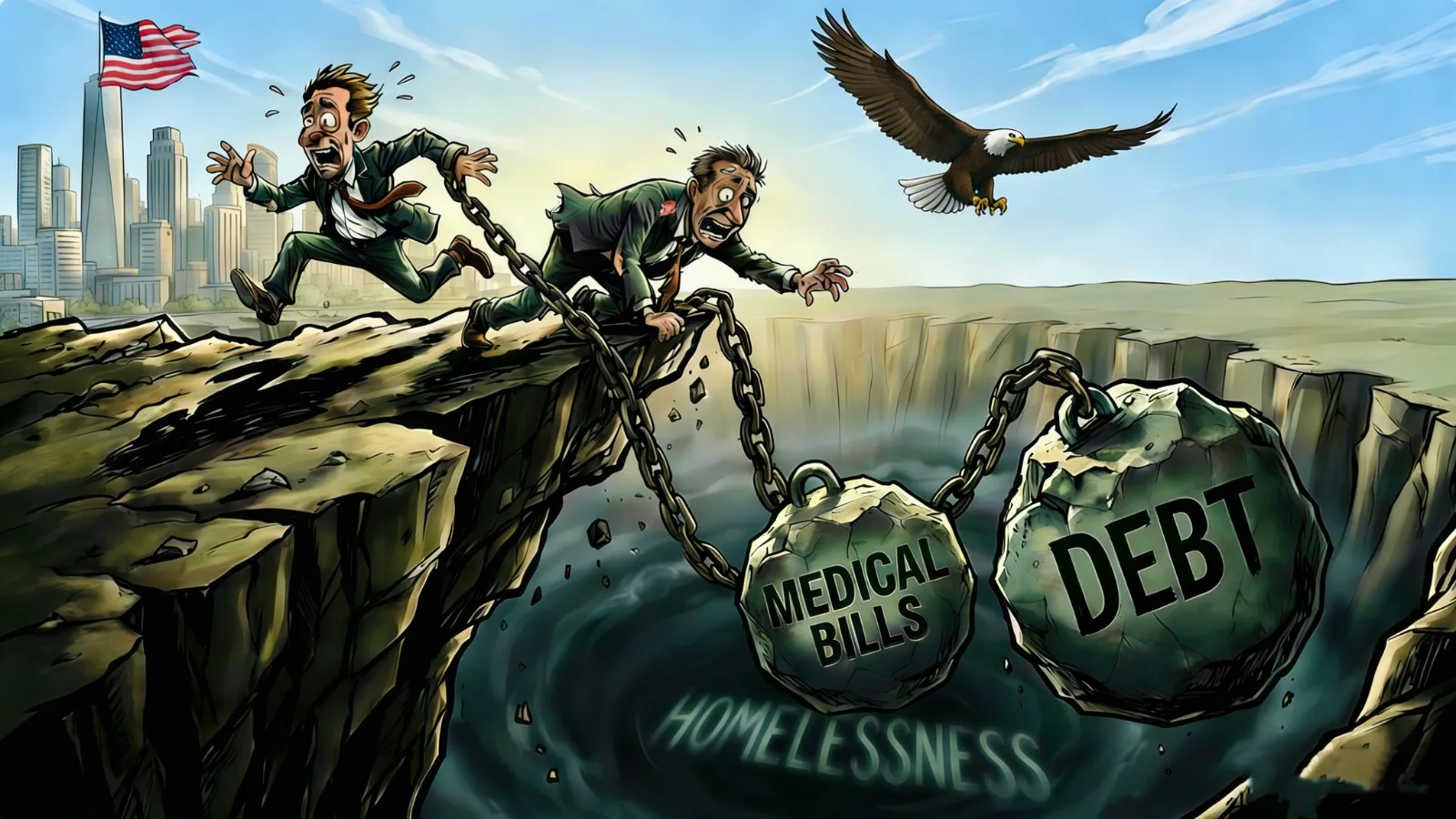
Across the Pacific, a very different yet deeply connected phenomenon has entered public debate. On January 13, the term “Kill Line” appeared prominently in **The New York Times** and **The Economist**. Strikingly, the concept did not originate from policy institutions or elite think tanks, but from a Chinese medical student in the United States working part-time in death care.The phrase captures a grim reality: the point at which economic precarity, homelessness, and systemic neglect converge into premature death. Its rapid resonance—especially among Chinese citizens who have lived in the U.S.—reveals how visible America’s social fractures have become, even to external observers.What makes the “Kill Line” historically significant is not poverty itself, but the state’s posture toward it. The United States, despite its vast resources and global ambitions, appears structurally incapable of mounting a coordinated response to human suffering within its own borders. Partisan paralysis dominates domestic governance, while strategic energy is disproportionately directed outward.
A Tale of Two Approaches to Power
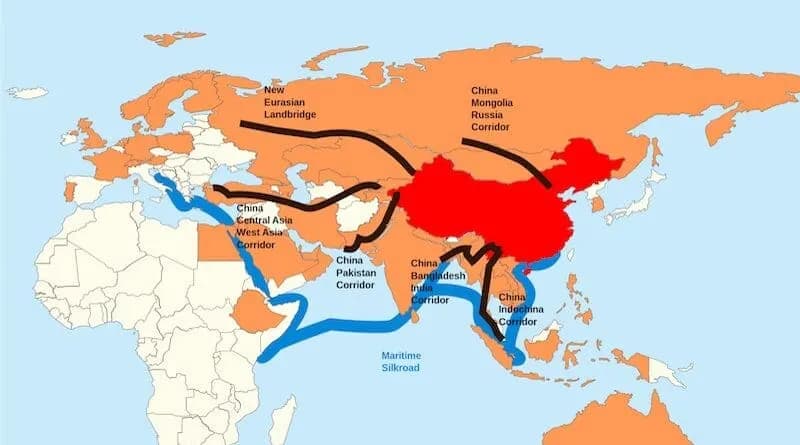
The contrast with China is instructive. During repeated visits to China, one cannot overlook the scale and continuity of its poverty-alleviation efforts. The official 2020 goal of eliminating extreme poverty was not treated as an endpoint, but as a baseline, followed by institutional mechanisms designed to prevent relapse through collective mobilization and long-term planning.This divergence reflects two fundamentally different understandings of state responsibility. One prioritizes internal cohesion as the foundation of legitimacy; the other seeks to compensate for internal decay through external projection. Historically, the latter pattern—internal neglect masked by geopolitical assertiveness—has often preceded periods of imperial decline.
History Is Not Behind Us
These developments in Tokyo and Washington should not be read separately. They are chapters in the same unfolding story: a global order under strain, where established powers grapple with uncertainty by reviving old doctrines, hardened alliances, and militarized narratives.History, in this sense, is not a distant prologue. It is an active co-author of today’s headlines, shaping choices, narrowing options, and reminding us that decline rarely announces itself directly. It is felt instead through normalization—of emergency, of inequality, of contradiction.For analysts, writers, and policymakers alike, the task is not merely to record events, but to situate them within the longer arcs that give them meaning. Only then can we distinguish between genuine security and the illusions that empires tell themselves as they struggle to hold the present together.