By Halo Hassan Saeed
ERBIL, Kurdistan Region —
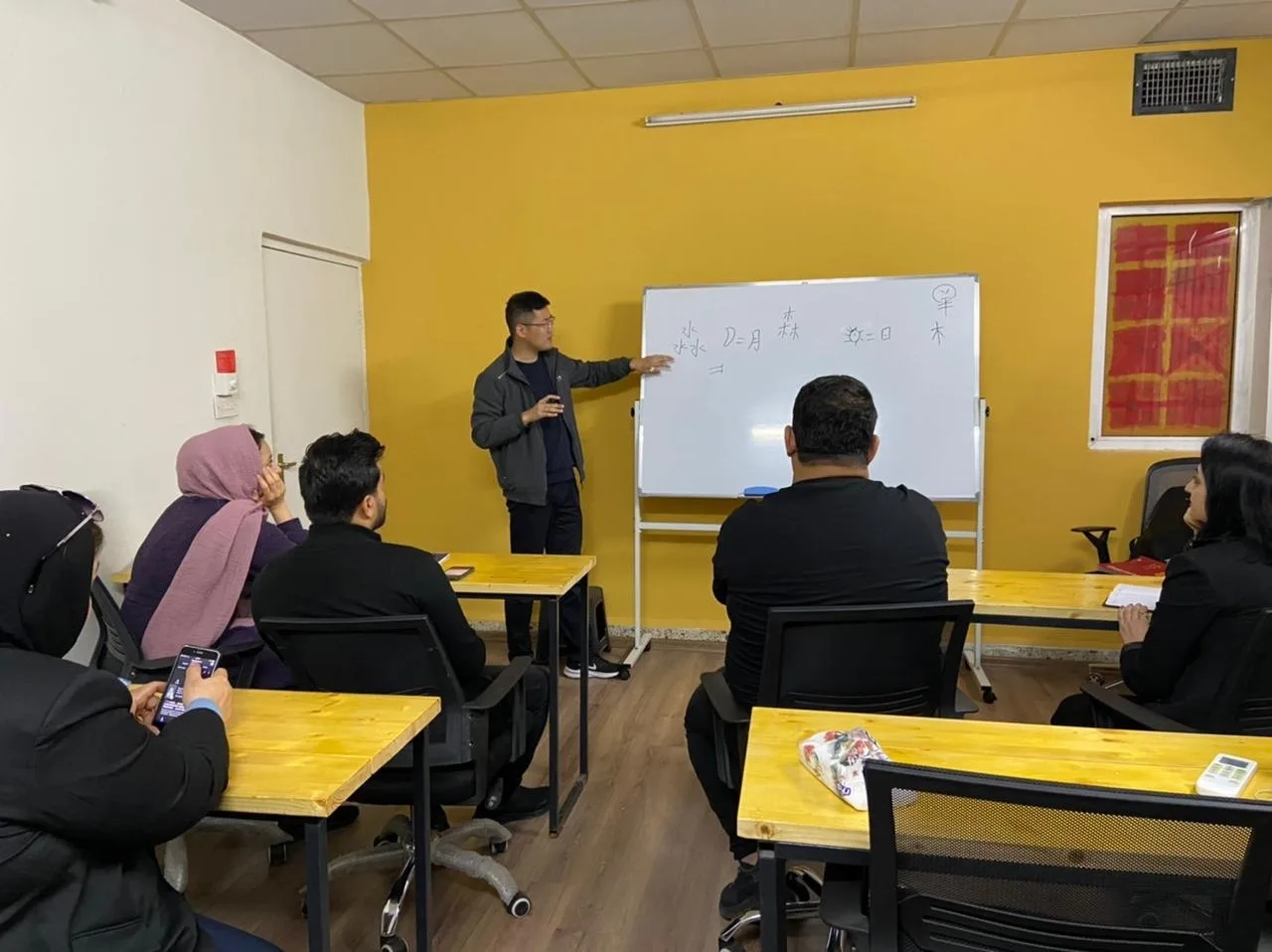
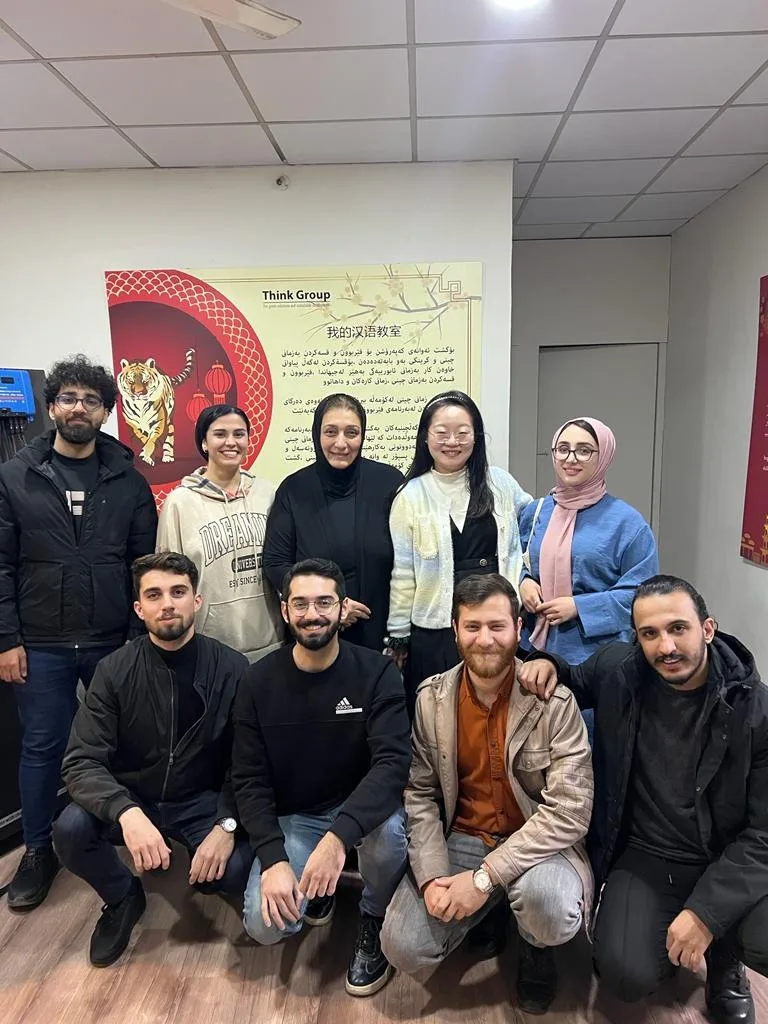
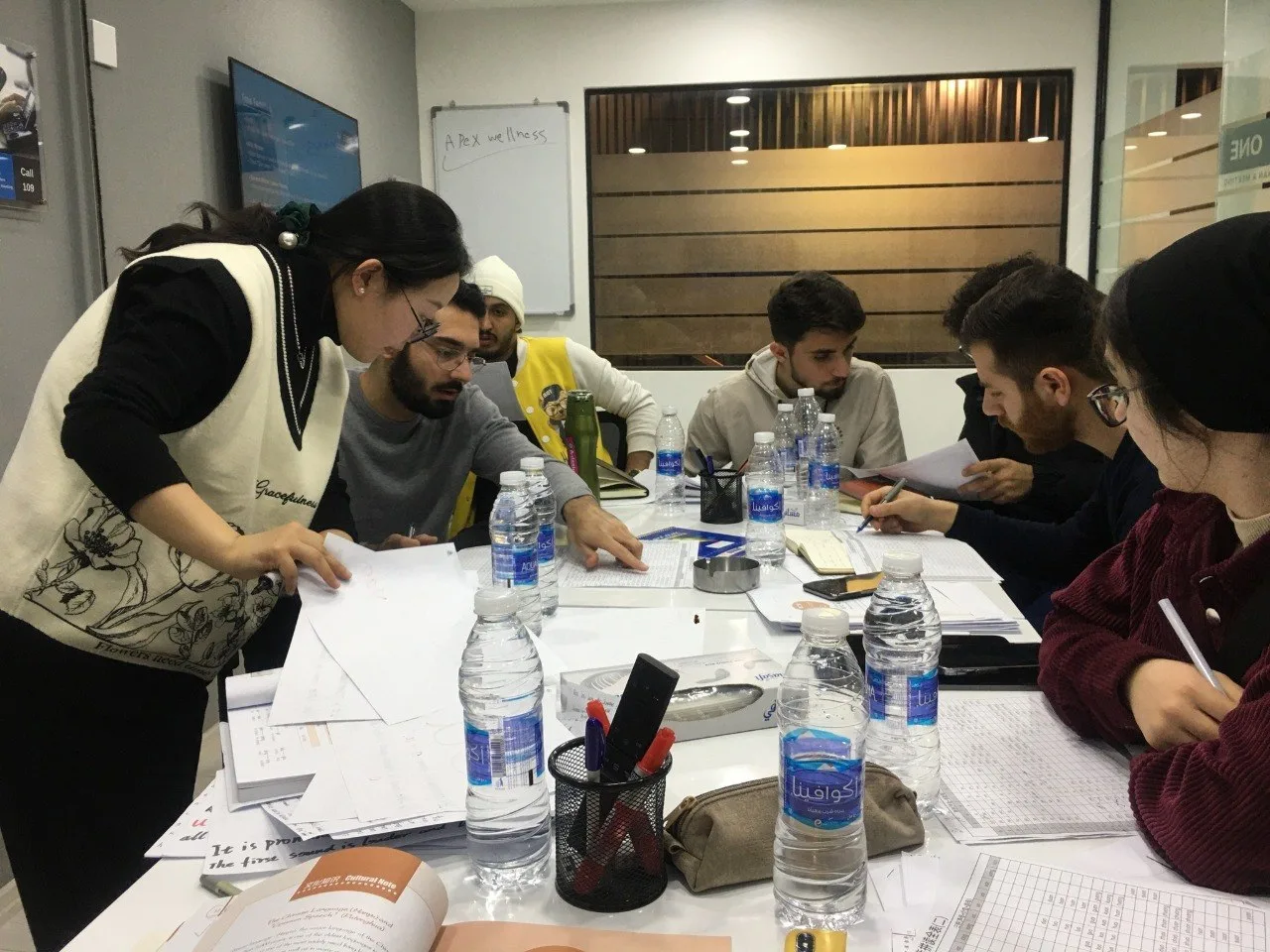
Inside the halls of the College of Languages at Salahaddin University-Erbil, a quiet but remarkable transformation is taking place. In classrooms filled with Kurdish students practicing tones, characters, and conversations, Mandarin Chinese has become more than an academic subject—it has become a gateway to the future.
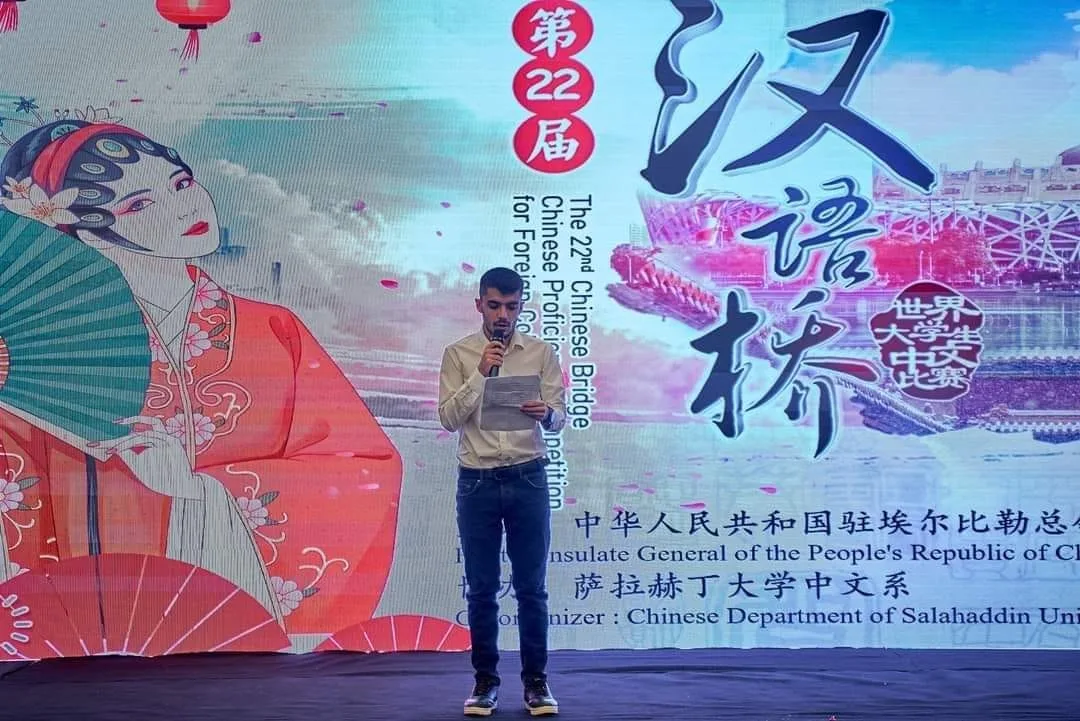
Established in 2019 in cooperation with the Chinese Consulate General in Erbil, the Department of Chinese Language has rapidly emerged as one of the most unique educational initiatives in the Kurdistan Region. At a time when relations between Iraq and China are expanding across economics, technology, and diplomacy, the department is preparing a new generation capable of navigating this evolving partnership.
For many students, learning Mandarin is no longer simply a cultural curiosity. It is increasingly viewed as a strategic skill connected to global opportunities and the emerging realities of the twenty-first century.
A Bridge Built Through Language
The department was founded with a clear mission: strengthening academic and cultural ties between the Kurdistan Region and China while preparing students for careers connected to international cooperation.
Faculty members describe Mandarin as a language of opportunity in an era where China has become one of Iraq’s most important economic partners.
“Learning Chinese is no longer just a hobby; it is becoming a strategic skill,” one instructor explains. “Students understand that language can open doors in diplomacy, business, technology, and cultural exchange.”
The four-year bachelor’s program introduces students to Chinese linguistics, literature, history, translation, and intercultural communication. Beyond language acquisition, the curriculum encourages students to understand the philosophical and historical foundations of Chinese civilization.
For Kurdish students, this educational journey represents a direct connection between two ancient cultures linked once again through a modern version of the Silk Road.
Beyond the Classroom
The influence of the department extends well beyond university lectures.
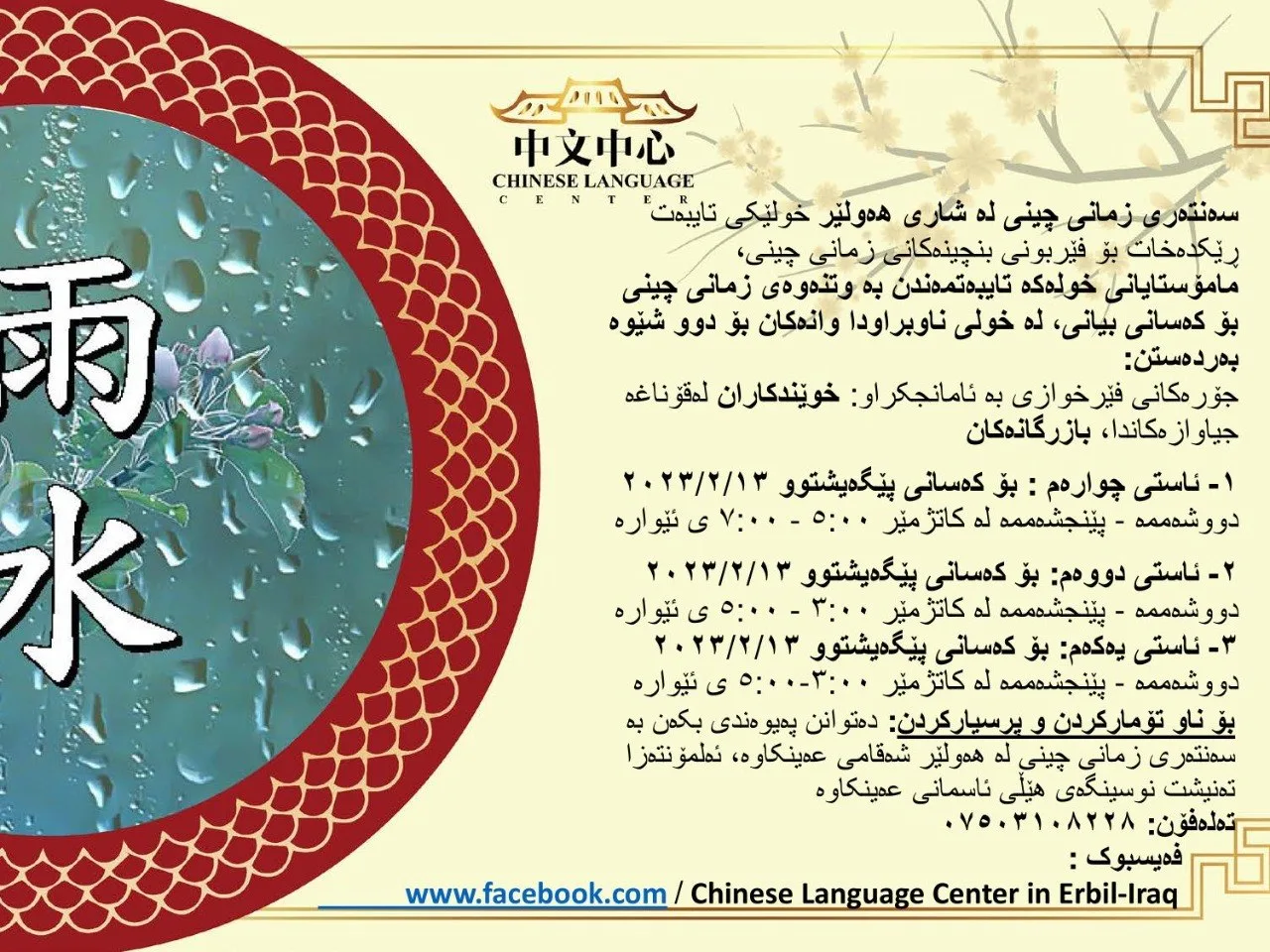
Through the Chinese Language Center, Salahaddin University-Erbil also offers intensive language programs for businessmen, researchers, journalists, and government employees interested in strengthening communication with Chinese institutions and companies.
This broader educational outreach reflects the growing practical importance of Mandarin in the region’s economic and diplomatic landscape.
Several factors have contributed to the department’s rapid development:
Expert Faculty
The department combines local academic staff with visiting Chinese scholars, helping students receive internationally standardized instruction while maintaining local cultural understanding.
This academic partnership also exposes students to authentic pronunciation, modern teaching methods, and contemporary Chinese culture.
Scholarships and International Exchange
Outstanding students are often granted opportunities to continue their studies in Chinese universities through scholarship programs.
For many Kurdish students, traveling to cities such as Beijing or Shanghai becomes a life-changing experience. These exchanges allow students to witness firsthand the realities of modern Chinese society, technological innovation, and cultural diversity.
Such programs also strengthen what China describes as “People-to-People” connectivity under the Belt and Road Initiative.
HSK Preparation and Professional Certification
The department prepares students for the HSK (Hanyu Shuiping Kaoshi) examinations, the internationally recognized standard for Chinese language proficiency.
Achieving HSK certification significantly increases students’ academic and professional opportunities, particularly in fields connected to international trade, translation, diplomacy, and technology.
The Human Infrastructure of the New Silk Road
As China’s “Silk Road 2.0” evolves beyond physical infrastructure into digital connectivity and human cooperation, language graduates are becoming essential actors in this transformation.
These students are not merely translators of words—they are translators of cultures, economies, and political understanding.
Graduates from the department increasingly envision careers connected to:
- International business
• Diplomatic relations
• Media and journalism
• Technology companies
• Academic research
• Tourism and cultural exchange
• Translation and interpretation
Some students hope to work with major Chinese companies operating in Iraq, including firms involved in telecommunications, renewable energy, and infrastructure projects such as Huawei.
Others aspire to become cultural mediators capable of strengthening mutual understanding between Kurdish society and China.
In this sense, the students of Salahaddin University-Erbil are becoming part of a new human infrastructure connecting Erbil to Beijing.
A Symbol of Cultural Diplomacy
The Chinese Language Department also represents a broader transformation in regional educational priorities.
For decades, language education in Iraq focused primarily on English and neighboring regional languages. The emergence of Mandarin programs reflects the growing importance of Asia in global economics and politics.
At the same time, cultural exchange through education helps reduce stereotypes and deepen mutual understanding between societies.
Students studying Mandarin often become interested in Chinese history, philosophy, cinema, literature, and traditions. Likewise, Chinese scholars working in Kurdistan gain exposure to Kurdish culture, identity, and history.
This two-way exchange strengthens cultural diplomacy in ways that political agreements alone cannot achieve.
Why It Matters for the Belt and Road Initiative
The Department of Chinese Language at Salahaddin University-Erbil offers a living example of the “People-to-People” dimension of the Belt and Road Initiative.
While the BRI is often associated with ports, highways, railways, and investment projects, its long-term success also depends on human relationships and cultural understanding.
Infrastructure may connect economies, but language connects societies.
The growth of Mandarin education in the Kurdistan Region demonstrates that the modern Silk Road is being built not only with steel and concrete, but also through classrooms, conversations, and shared learning.
Challenges and Future Prospects
Despite its success, the department still faces challenges.
There remains a need for:
- Expanded educational resources
• More specialized faculty members
• Advanced translation programs
• Greater technological integration
• Broader public awareness about Mandarin education
However, interest among students continues to grow, particularly as China’s regional role expands.
Many observers believe that language and educational exchange will become increasingly important in shaping future Iraq-China relations.
Conclusion
The rise of Mandarin education at Salahaddin University-Erbil reflects more than an academic trend. It symbolizes the emergence of a new cultural and strategic relationship between the Kurdistan Region and China.
In classrooms across Erbil, Kurdish students are learning far more than grammar and vocabulary. They are acquiring the tools to participate in a rapidly changing international landscape shaped by connectivity, technology, and global cooperation.
As the modern Silk Road evolves into a network of economic, digital, and cultural integration, these students may ultimately become the architects of a new era of understanding between East and West.
And perhaps the most enduring bridges between nations will not be highways or railways, but the human connections formed through language, education, and mutual respect.
Students’ Voices
For many students at the Department of Chinese Language, learning Mandarin represents more than mastering a foreign language — it is an opportunity to connect with a rapidly changing world and participate in the future of Iraq-China relations.
A first-year student described Mandarin as “a language of the future,” explaining that China’s growing role in technology, trade, and global economics motivated her to join the department. She believes that speaking Chinese could open doors to scholarships, international business, and cultural exchange.
Another student emphasized the importance of communication between peoples rather than governments alone. “When we learn Chinese,” he said, “we are not only studying vocabulary and grammar. We are learning how another civilization thinks, works, and develops.”
Several students also expressed admiration for China’s technological progress and economic transformation. Some hope to continue their studies in Beijing or Shanghai, while others aspire to work in translation, media, diplomacy, or with Chinese companies operating in Iraq and the Kurdistan Region.
For many of them, Mandarin is no longer viewed as an unusual academic choice. Instead, it has become a strategic skill connected to the opportunities of the new Silk Road and the growing partnership between China and the Middle East.