Halo Hassan Saeed
Across Iraq and the broader Middle East, climate change is no longer a distant environmental concern—it has become a direct threat to economic stability, food security, public health, and social peace. Rising temperatures, water scarcity, desertification, and environmental degradation are reshaping daily life throughout the region.In Iraq, rivers are shrinking, agricultural lands are deteriorating, and dust storms are becoming increasingly frequent. Communities that once depended on farming now face difficult environmental and economic conditions. Climate pressure is also intensifying migration, unemployment, and competition over natural resources.Amid these growing challenges, environmental cooperation is emerging as a new dimension of international diplomacy. Within this context, China’s “Green Silk Road” initiative offers an important framework for technological collaboration focused on renewable energy, sustainability, and climate resilience.This report examines whether Chinese green technologies—particularly solar energy and carbon-reduction solutions—can contribute to addressing Iraq’s environmental crisis and support the transition toward a more sustainable future.
Iraq’s Environmental Crisis
Iraq is considered one of the countries most vulnerable to climate change in the Middle East. Years of conflict, weak infrastructure, poor water management, and rapid population growth have intensified environmental pressures.
The country faces several interconnected challenges:
* Rising temperatures and extreme heatwaves
* Water shortages in the Tigris and Euphrates river systems
* Desertification and loss of agricultural land
* Increasing dust and sandstorms
* Pollution from oil production and urban expansion
* Electricity shortages and dependence on fossil fuels
These environmental issues are not isolated ecological problems; they directly affect economic development, social stability, and public health.For many Iraqi communities, especially rural populations, climate change threatens traditional livelihoods and increases vulnerability to poverty and displacement.
The Emergence of Green Diplomacy
In recent years, environmental cooperation has become an important aspect of global diplomacy. Countries increasingly recognize that climate challenges cannot be solved individually.China has attempted to position itself as a major actor in global green development through the concept of the “Green Silk Road,” an environmental dimension of the Belt and Road Initiative.
The initiative promotes cooperation in areas such as:
* Renewable energy
* Solar and wind power
* Green transportation
* Low-carbon infrastructure
* Environmental technology
* Sustainable urban development
* Carbon-emission reduction
For developing countries like Iraq, such partnerships may provide access to technologies and expertise necessary for environmental modernization.
Solar Energy: A Natural Opportunity for Iraq
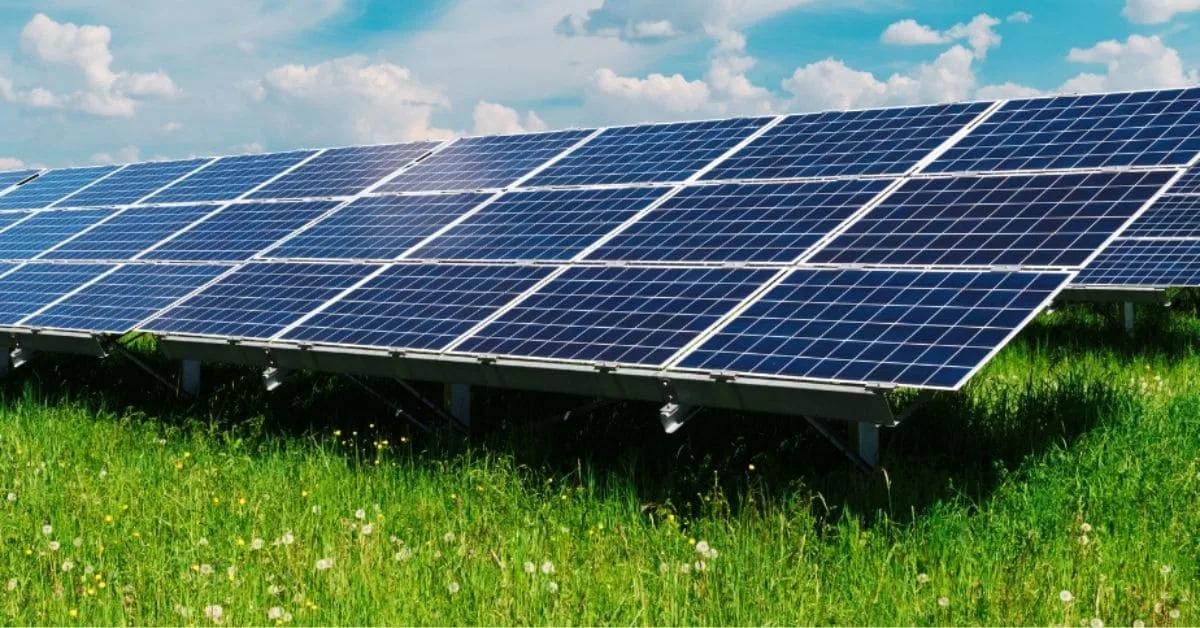
Iraq possesses one of the region’s greatest untapped resources: sunlight.
With long summers and high solar radiation levels, the country has strong potential for large-scale solar power generation. Yet despite this natural advantage, Iraq continues to rely heavily on fossil fuels and struggles with chronic electricity shortages.hinese companies have become global leaders in solar technology production and renewable energy infrastructure. Firms such as [LONGi Green Energy](https://www.longi.com/en/?utm_source=chatgpt.com), [Trina Solar](https://www.trinasolar.com/en-glb?utm_source=chatgpt.com), and [JinkoSolar](https://www.jinkosolar.com/en?utm_source=chatgpt.com) have contributed to major renewable energy projects worldwide.
For Iraq, cooperation in solar energy could produce several strategic benefits:
* Reducing pressure on national electricity systems
* Expanding energy access in rural communities
* Lowering carbon emissions
* Creating green employment opportunities
* Supporting industrial diversification
* Reducing dependence on imported energy
Solar infrastructure could also help stabilize energy supply in areas affected by weak electrical networks.
Desertification and Ecological Security
Desertification is one of Iraq’s most serious environmental threats. Agricultural lands are increasingly affected by drought, declining water availability, and soil degradation.Environmental experts warn that continued desert expansion could have severe consequences for food production, rural communities, and internal migration.China’s own experience combating desertification may offer useful lessons. Over recent decades, China implemented large-scale environmental programs aimed at reforestation, land restoration, and ecological protection in arid regions.Projects such as anti-desertification belts, afforestation campaigns, and sustainable land management have become part of China’s broader environmental strategy.
For Iraq, environmental cooperation could include:
* Tree-planting and reforestation initiatives
* Water-efficient agricultural technologies
* Smart irrigation systems
* Satellite-based environmental monitoring
* Climate adaptation programs
Such initiatives would strengthen not only environmental sustainability but also long-term human security.
Carbon Reduction and the Future Economy
Global economic systems are increasingly moving toward low-carbon development. Countries that fail to adapt risk facing economic and technological disadvantages in the future.Iraq’s economy remains heavily dependent on oil production, making environmental diversification particularly important.Chinese green technologies could support Iraq’s transition toward a more balanced energy model through:
* Renewable energy investment
* Cleaner industrial systems
* Smart energy grids
* Electric transportation infrastructure
* Green urban planning
This transformation is not simply about environmental protection—it is also about preparing Iraq for the future global economy.The international energy transition will eventually reshape geopolitical and economic relationships worldwide. Countries that invest early in sustainable technologies may gain long-term strategic advantages.
The Kurdistan Region and Green Development
The Kurdistan Region also faces growing environmental pressures, including water shortages, urban pollution, deforestation, and rising temperatures.At the same time, the region possesses important opportunities for renewable energy development, particularly in solar power and sustainable urban planning.Environmental cooperation could support Kurdish cities in areas such as:
* Solar-powered public infrastructure
* Sustainable transportation systems
* Waste management modernization
* Eco-tourism development
* Smart agricultural technologies
Young Kurdish entrepreneurs are increasingly interested in environmental innovation and green business models, creating opportunities for future cooperation in sustainable technologies.
Challenges and Concerns
Despite the opportunities, several important concerns remain.
- Financial Constraints
Large-scale environmental transformation requires long-term investment and stable financial planning.
- Institutional Weakness
Environmental policies require effective governance, coordination, and regulatory enforcement.
- Dependence on Fossil Fuels
Iraq’s economic dependence on oil creates structural challenges for rapid green transition.
- Regional Water Politics
Water scarcity is closely connected to regional geopolitical tensions involving neighboring countries.
- Balancing Development and Sustainability
Rapid urban growth and industrial expansion must be balanced with environmental protection.These challenges demonstrate that technological cooperation alone cannot solve environmental crises without broader policy reforms and sustainable governance.
The Green Silk Road as a Regional Opportunity
The concept of the Green Silk Road reflects a broader evolution in international cooperation. Infrastructure is no longer limited to highways and ports; it increasingly includes ecological sustainability, renewable energy, and climate resilience.For Iraq and the Middle East, environmental cooperation may become one of the most important areas of future diplomacy.Climate change affects all countries regardless of political differences. As environmental pressures increase, regional cooperation in sustainability may become essential for long-term stability.In this context, Chinese green technologies offer not only economic opportunities but also a potential framework for environmental partnership and shared resilience.
Iraq stands at a critical environmental crossroads. Climate change, desertification, and energy challenges are reshaping the country’s future and demanding urgent solutions.The Green Silk Road presents a potential pathway toward sustainable development through renewable energy, environmental technology, and ecological cooperation. Chinese expertise in solar power, carbon reduction, and environmental management may help Iraq address some of its most pressing environmental challenges.However, technology alone cannot “save” the environment. True sustainability requires political will, educational awareness, institutional reform, and long-term strategic planning.Still, the partnership between Iraq and China in green development could become an important model for environmental diplomacy in the Middle East—one that shifts the regional conversation from conflict and crisis toward sustainability, resilience, and shared human security.The future of the region may ultimately depend not only on oil beneath the ground, but also on the ability to build greener and more sustainable societies above it.